Living Word Bibles Editorial Standards and Practices
Living Word Bibles publishes Scripture and Bible-related resources in print and digital formats. These Editorial Standards explain how we prepare and present our Bibles, articles, historical resources, apps, audio, and other publications.
Living Word Bibles is operated by Cook Services Company, LLC. Our Christian mission is at the heart of our publishing work. We strive to present Scripture faithfully, provide accurate historical and source information, and treat the many traditions of the Christian faith with care and respect.
We present Scripture faithfully and distinguish it clearly from commentary, historical material, and other editorial content. Our sources, quotations, citations, and textual readings are reviewed for accuracy so readers can understand what comes from Scripture and what has been added for context or study.
1. Mission Statement
Beautifully Formatted to Bring God’s Word to Life on Any Device. At Living Word Bibles, our mission is simple: make God’s Word accessible to all.
Our mission is to make God’s Word accessible, beautiful, and trustworthy. We take care to present Scripture faithfully, create editions that are clear and enjoyable to read, and provide accurate information about the Bibles and resources we publish.
2. Products and Formats Covered by These Standards
These standards apply across our print and digital products, website, apps, eStore, and other public-facing materials.
Scripture Editions
Print Bibles, eBibles, PDFs, EPUB-style files, downloadable editions, study and reading editions, public-domain texts, and licensed translations.
Digital Experiences
Online Bible readers, web applications, mobile applications, search, chapter and verse navigation, bookmarks, highlights, notes, and related software features.
Website Content
Translation histories, Bible history, book introductions, canon resources, articles, FAQs, product descriptions, church resources, and educational pages.
Reference and Visual Material
Maps, timelines, charts, tables, photographs, manuscript images, illustrations, bibliographies, footnotes, and cross-references.
Audio Bible
Narrated Scripture, chapter audio, source recordings, playback, visual accompaniment, attribution, and audio information.
Accounts & Digital Libraries
Customer libraries, digital purchases and downloads, free Bible access, purchase matching, and account corrections.
Living Word Bibles Products & Bible Editions
Some translations appear both in the eStore and in our online Bible Reader because they are available in both formats.
Living Word Bibles eStore Bible Products
Digital eBible products use their actual Living Word Bibles cover artwork and link directly to their eStore pages.
The Holy Bible: King James Version Special Edition
eStore eBible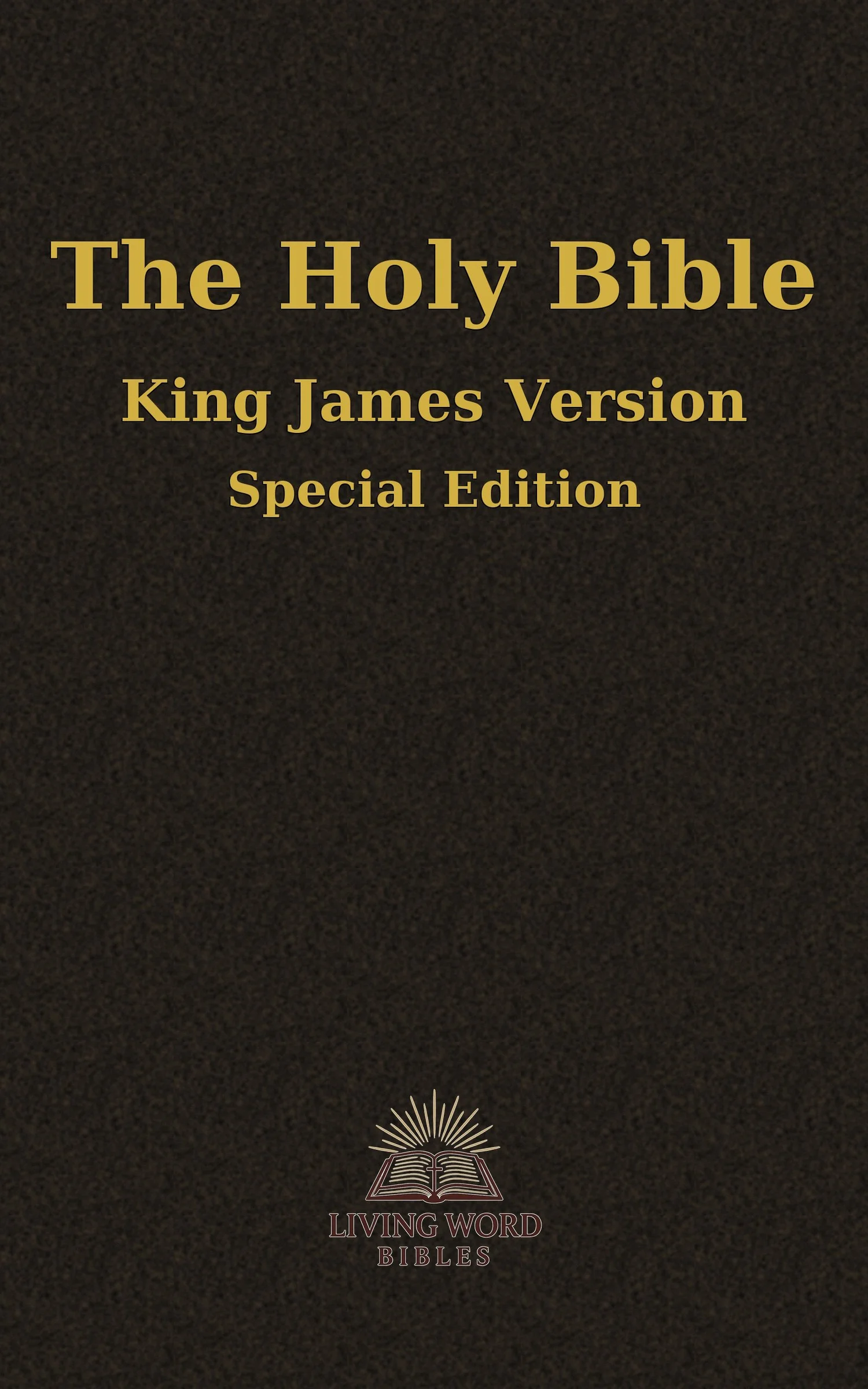
The Holy Bible: King James Version
eStore eBible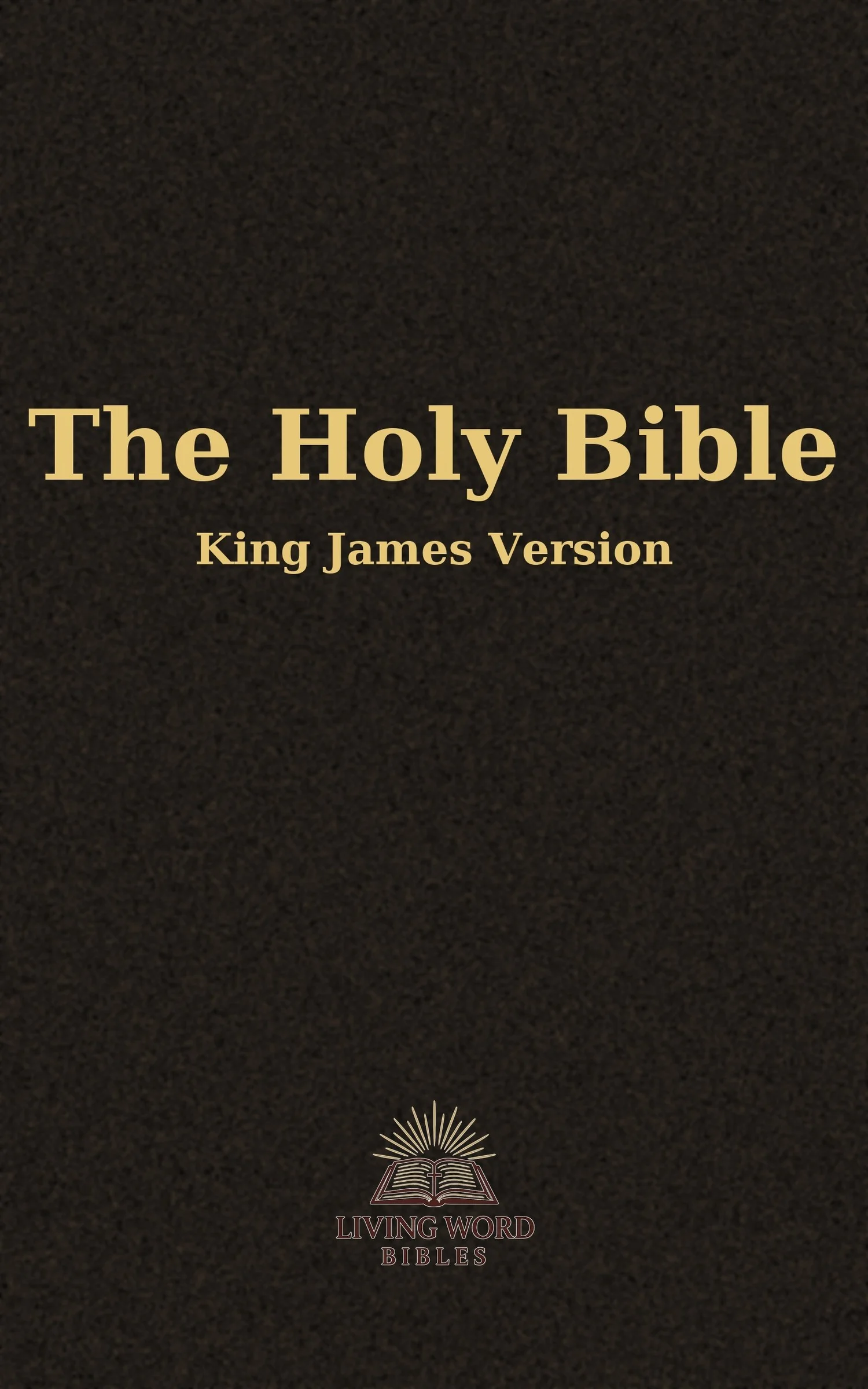
The Holy Bible: American Standard Version
eStore eBible
The Holy Bible: Young’s Literal Translation
eStore eBible
The Holy Bible: World English Bible
eStore eBible
The Holy Bible: Douay-Rheims Bible
eStore eBible
The Holy Bible: New King James Version
eStore eBible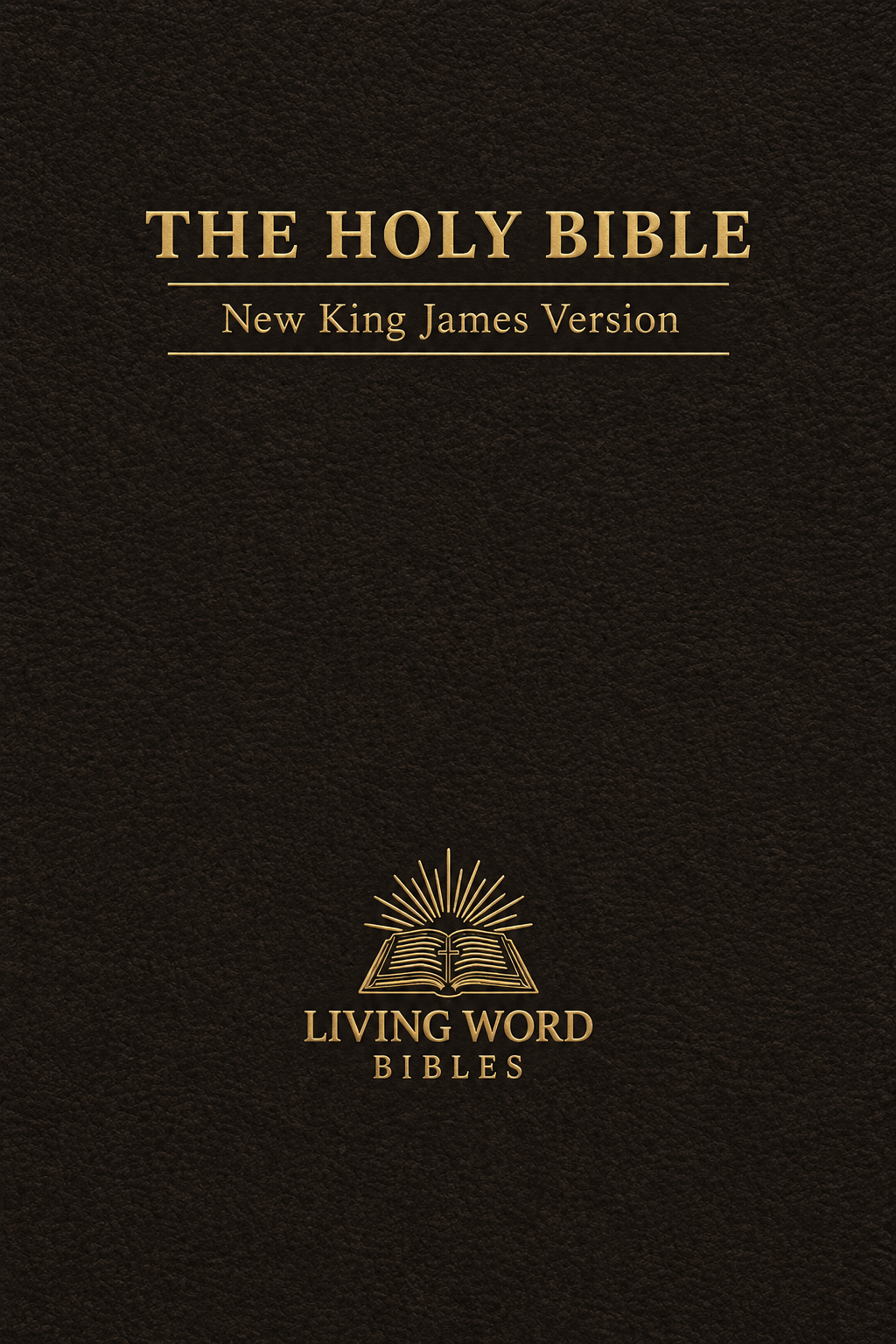
The Holy Bible: New International Version
eStore eBible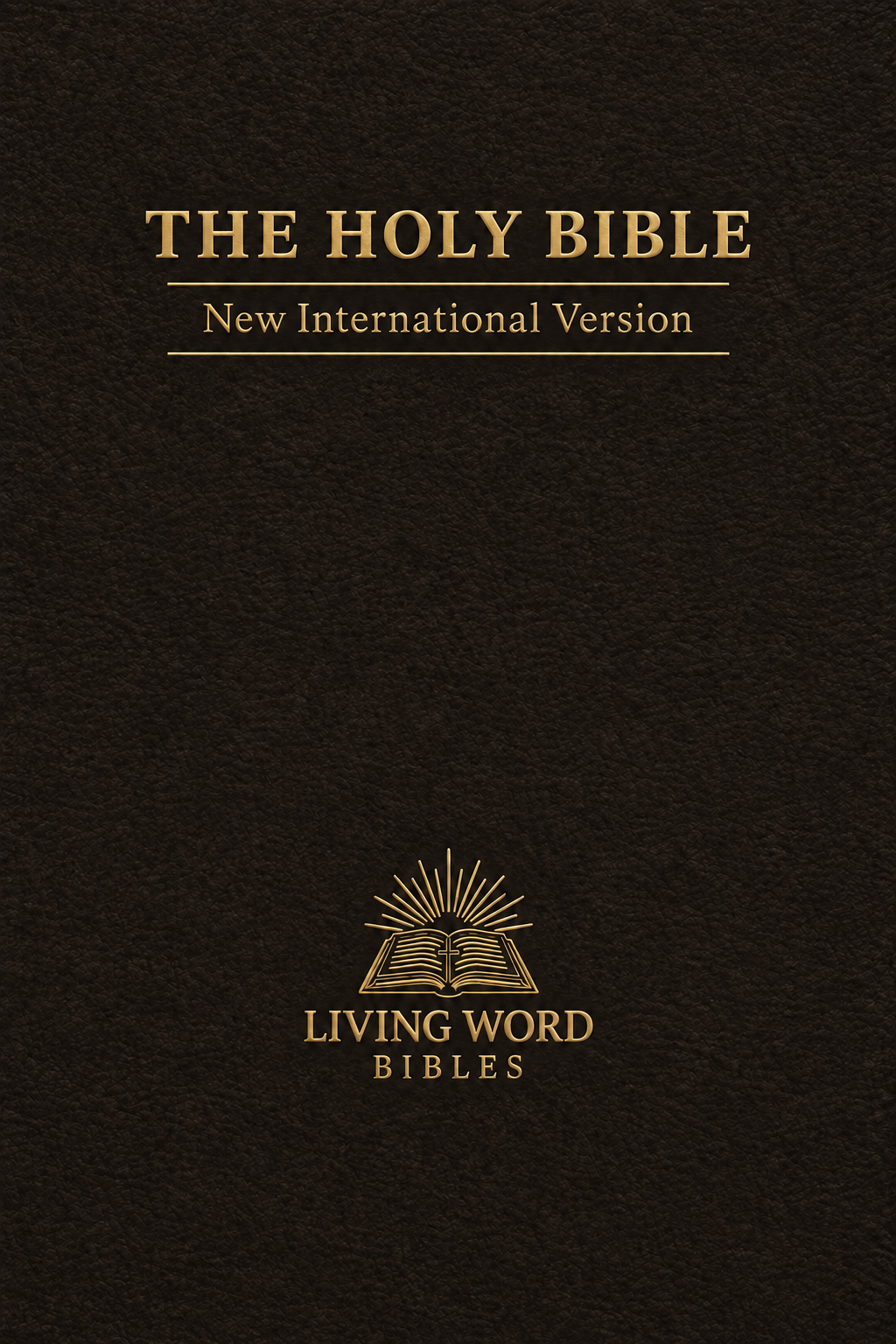
The Holy Bible: English Standard Version
eStore eBible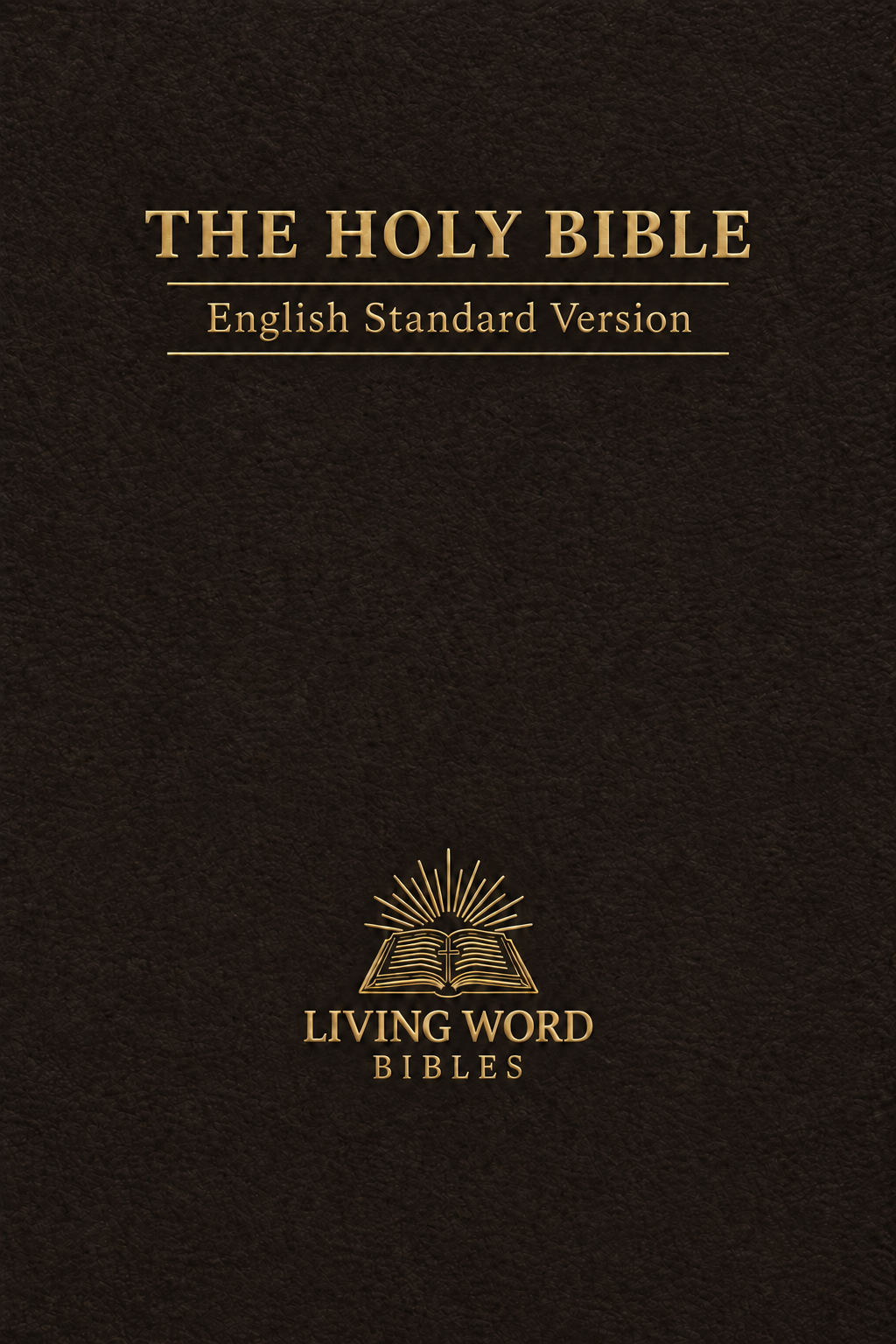
The Holy Bible: Presidential Edition
Presidential eBible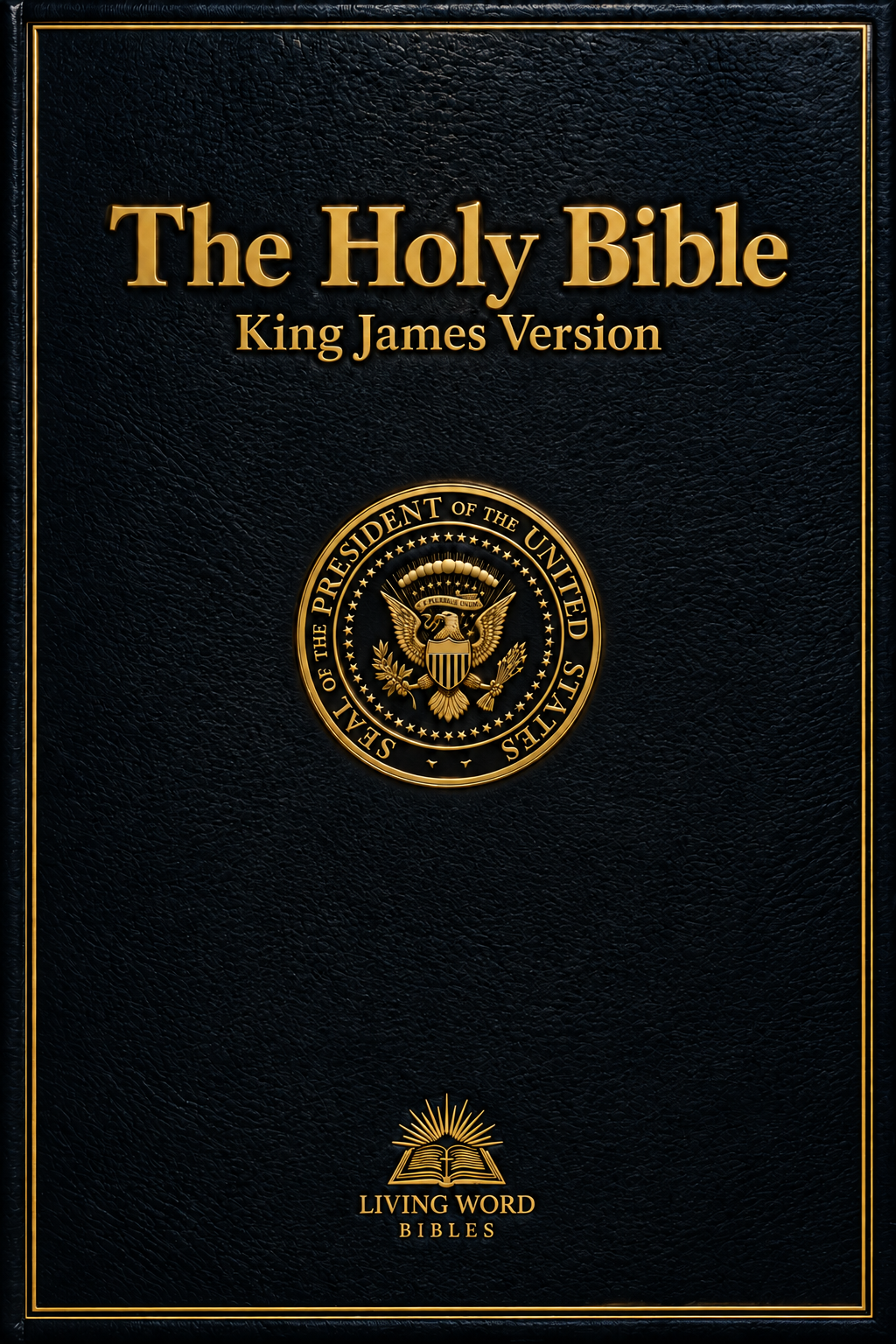
The Holy Bible: Presidential Edition — Bill Clinton
Presidential eBible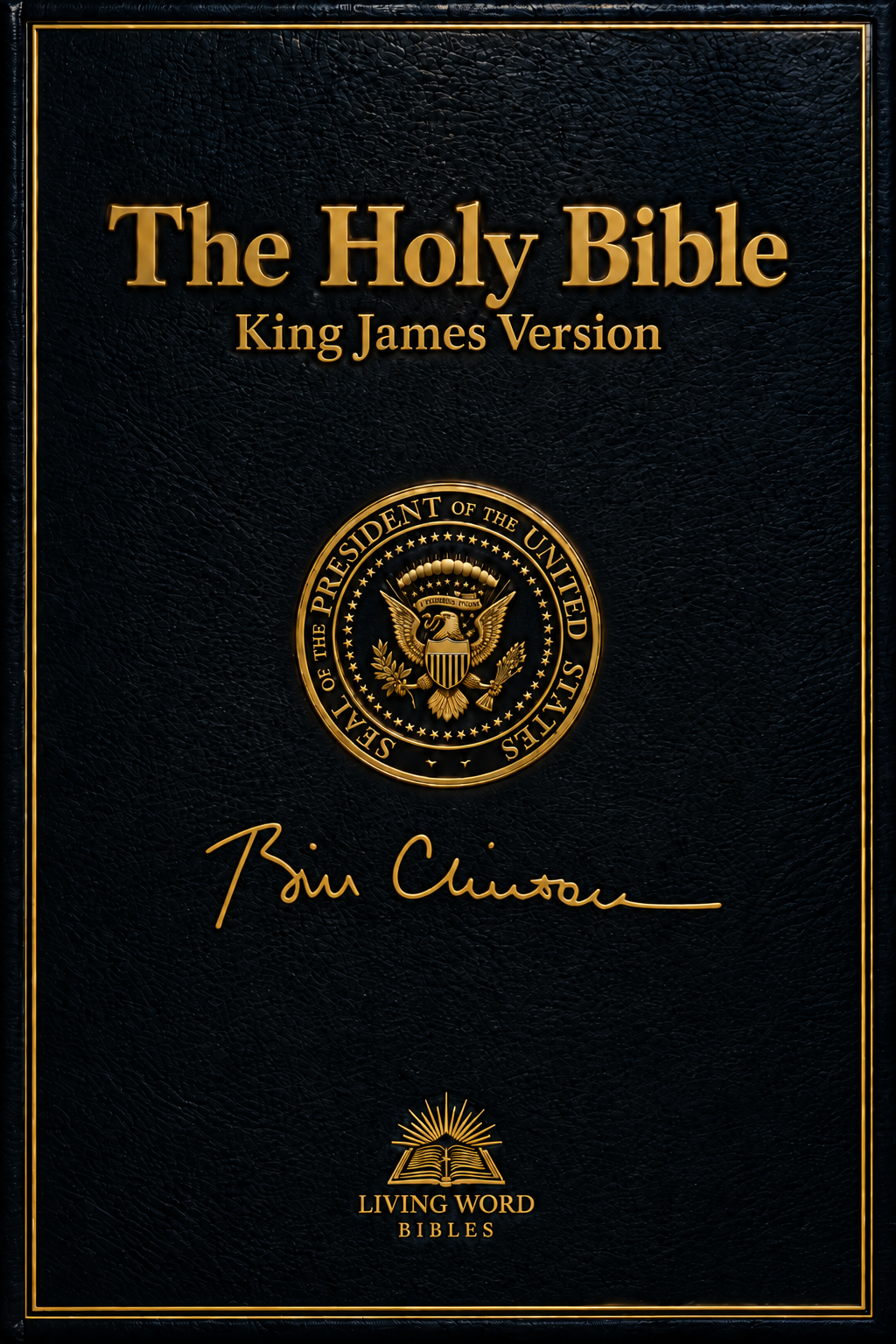
The Holy Bible: Presidential Edition — George W. Bush
Presidential eBible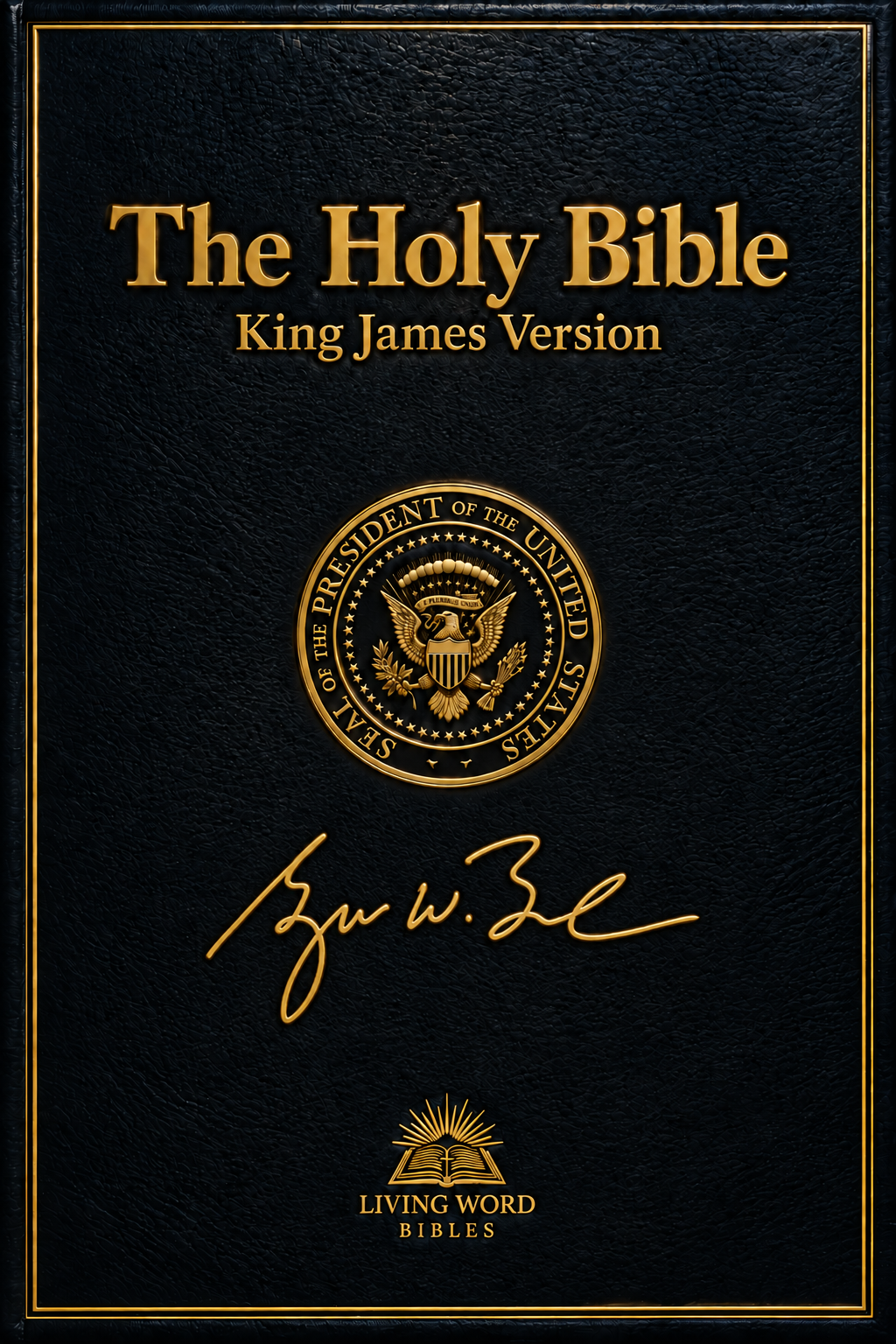
The Holy Bible: Presidential Edition — Barack Obama
Presidential eBible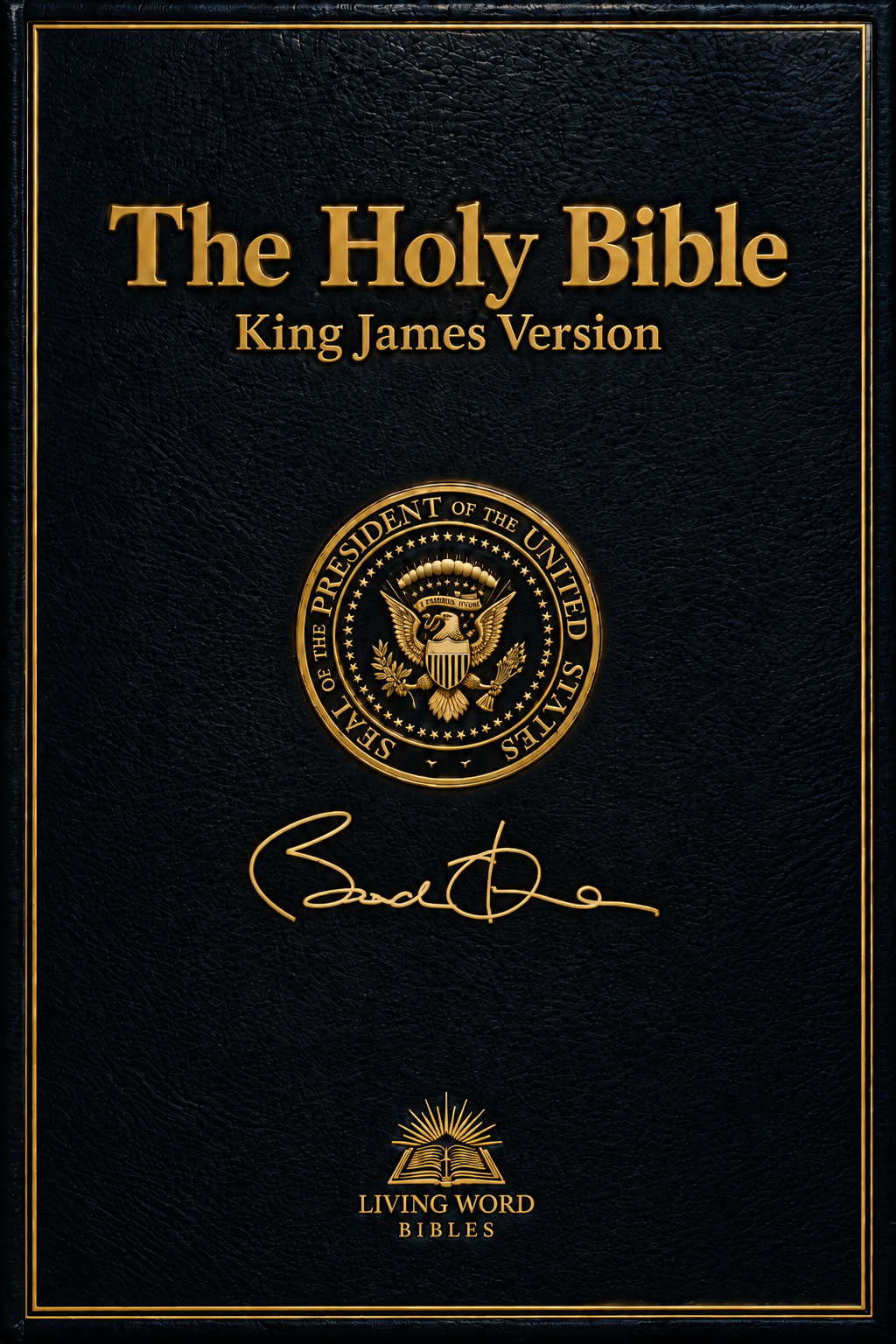
The Holy Bible: Presidential Edition — Joe Biden
Presidential eBible • Free Online Reading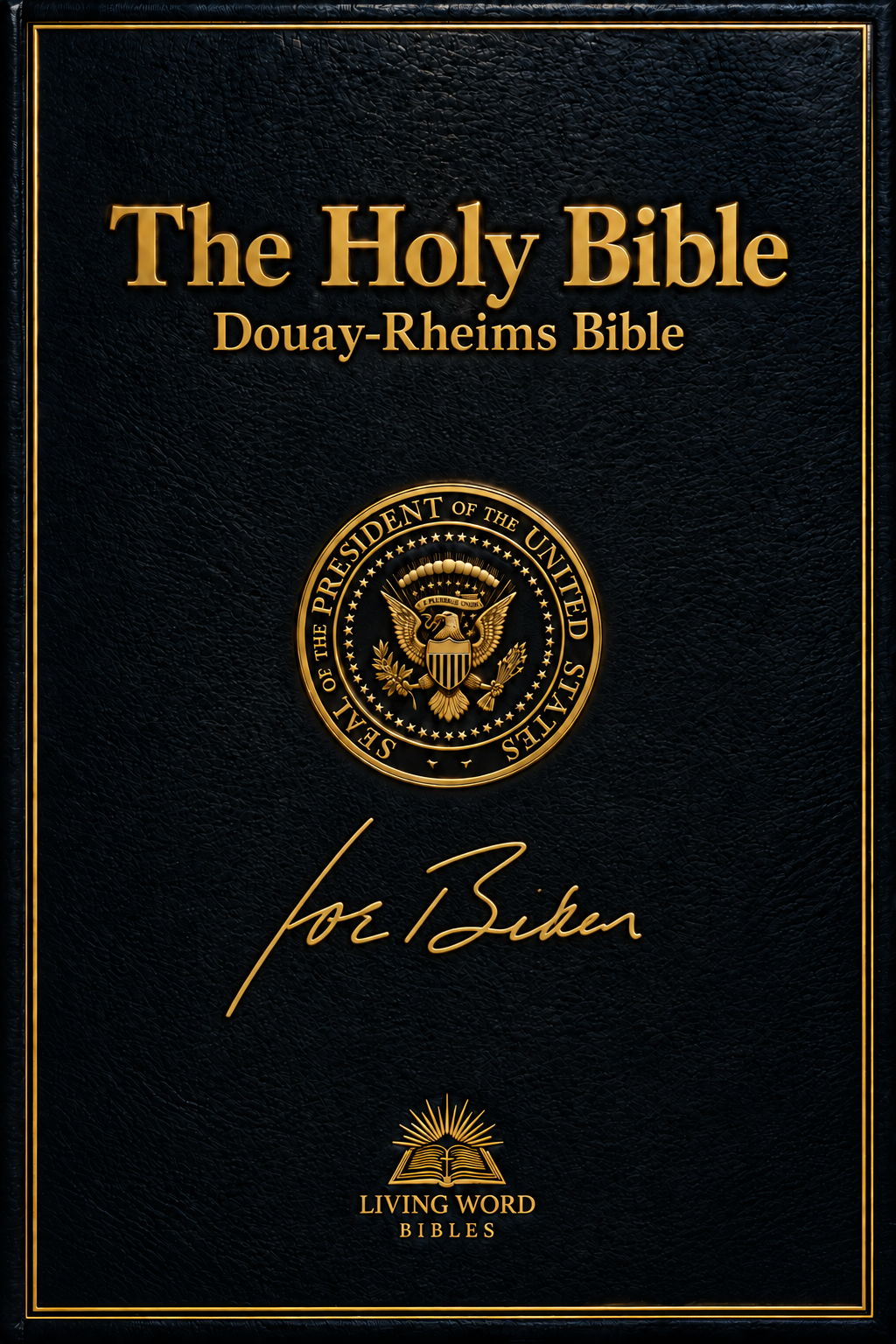
The Holy Bible: Presidential Edition — Donald J. Trump
Presidential eBible
God Bless America Bible
eStore eBible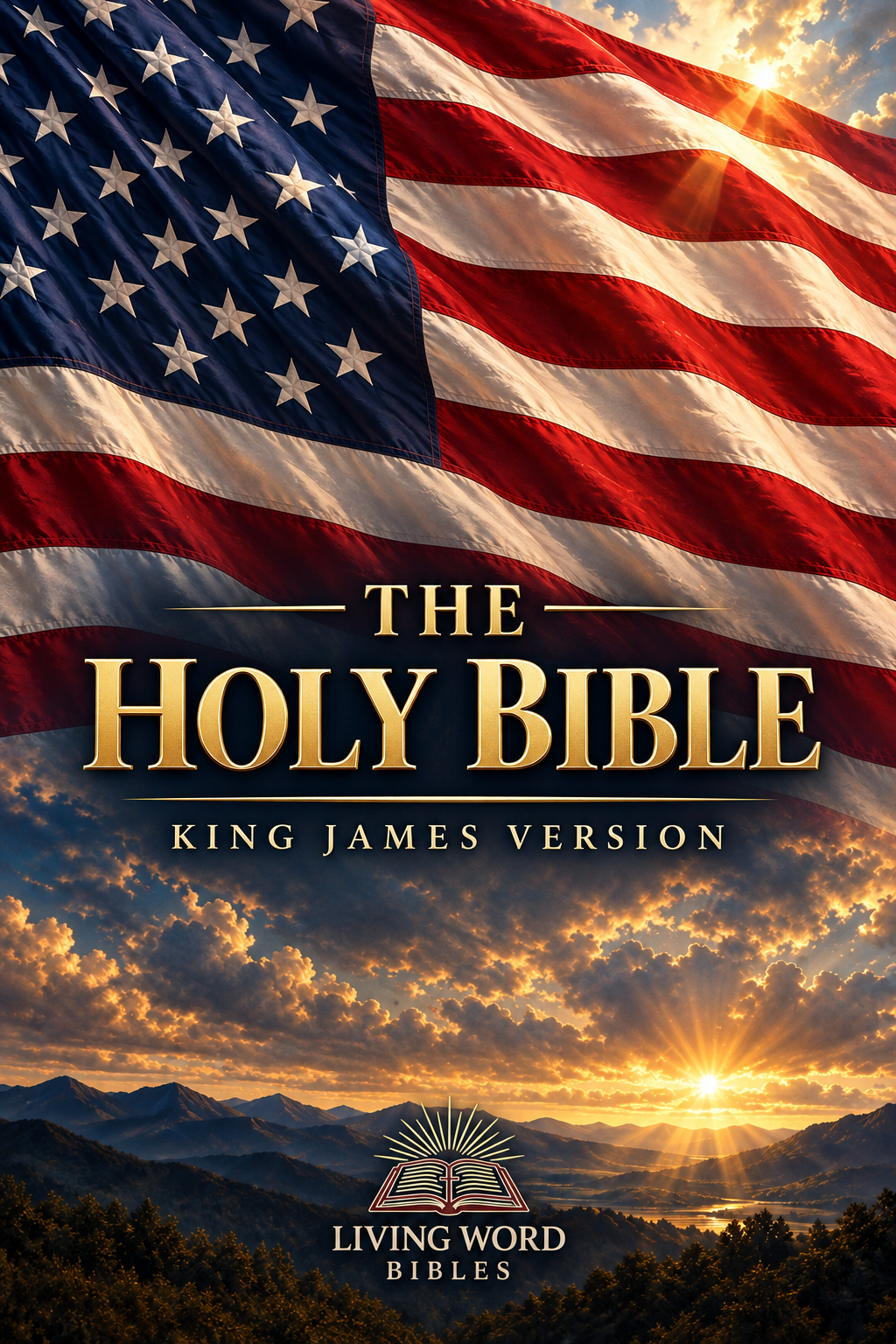
Living Word Bibles Online Bible Reader
All fifteen online-reader translations are listed here, including translations that also have separate eStore editions.
King James Version
Bible Reader Read Online
New King James Version
Bible Reader Read OnlineNew International Version
Bible Reader Read OnlineEnglish Standard Version
Bible Reader Read OnlineNew English Translation
Bible Reader Read OnlineLexham English Bible
Bible Reader Read OnlineAmerican Standard Version
Bible Reader Read OnlineYoung’s Literal Translation
Bible Reader Read OnlineWorld English Bible
Bible Reader Read OnlineOpen English Bible
Bible Reader Read OnlineDarby Translation
Bible Reader Read OnlineGeneva Bible
Bible Reader Read OnlineBerean Standard Bible
Bible Reader Read OnlineBible in Basic English
Bible Reader Read OnlineDouay-Rheims Bible
Bible Reader Read OnlineAdditional Living Word Bibles Products
Living Word Bibles iOS App
iOS App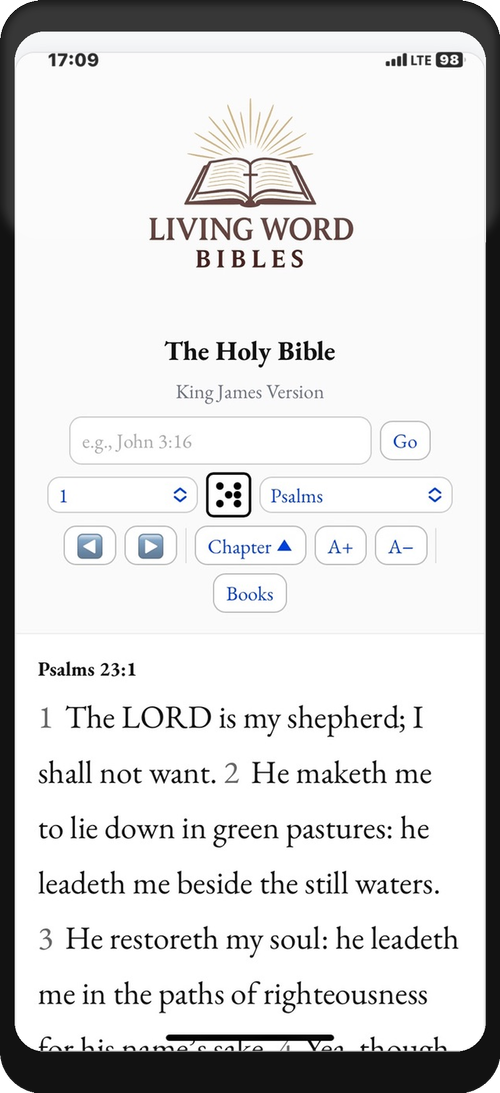
KJV Audio Bible
Audio Bible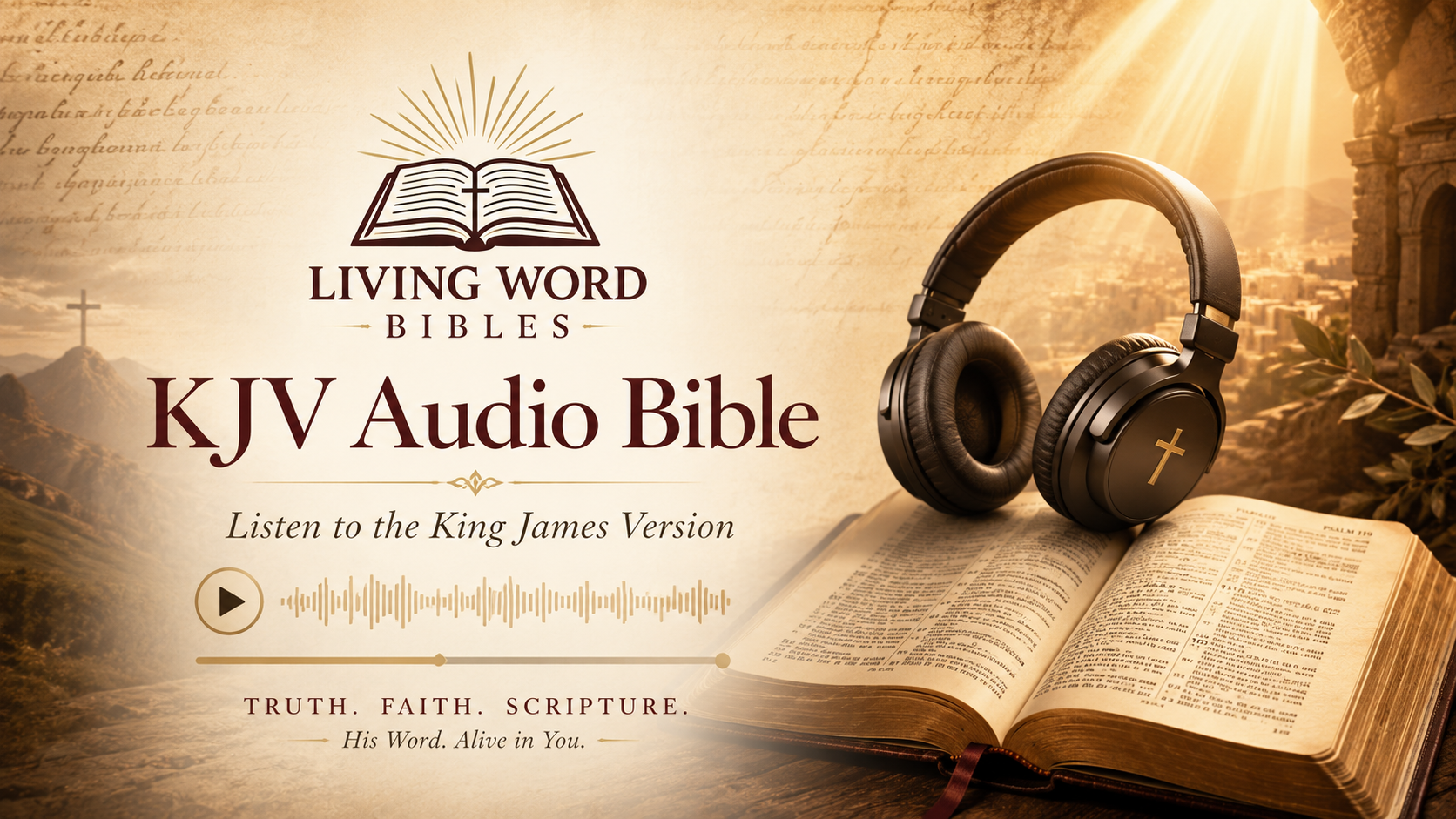
The Complete Apocrypha of the Ethiopian Bible
Digital PDF
These standards should be read alongside our Terms of Service, Copyright Notice, Publisher Licensing Notice, App Licensing, and Privacy Policy. When a Bible translation has its own licensing or rights requirements, those requirements also apply.
3. Core Editorial Principles
Accuracy
We check names, dates, Scripture references, quotations, sources, product details, and rights information before publication whenever possible.
Fairness
We describe differences among Christian traditions, canons, translations, denominations, and scholarly views respectfully and in terms their adherents would recognize.
Transparency
We make clear what is Scripture, what comes from a translator or publisher, and what has been added by Living Word Bibles for explanation, history, study, or context.
Accountability
When we find a meaningful error, we correct it wherever that material appears.
Faithful Stewardship
We approach the Bible as sacred Scripture and handle each edition with care for its text, history, tradition, and source.
4. Scripture Text Fidelity
Scripture is at the heart of every Living Word Bibles edition. We take care to preserve the text of each translation faithfully, while allowing for thoughtful formatting and design that make God’s Word easier to read and enjoy without changing its meaning.
- We work from an identifiable source appropriate to each translation, whether supplied by a publisher, authorized digitally, or drawn from a reliable public-domain edition.
- Spelling, punctuation, capitalization, paragraphing, poetic lineation, red-letter treatment, divine-name conventions, italics, small caps, footnote markers, and other textual features should follow the chosen source edition unless an editorial policy clearly identifies a formatting change.
- We check every book, chapter, and verse for missing, duplicated, misplaced, or accidentally merged text.
- Formatting changes may improve readability, responsive display, navigation, or typography, but they must not change the meaning of the underlying Scripture text.
- If we discover a meaningful error in a source file, we verify the correction against a reliable or authoritative edition before publishing it.
Our editorial, design, and technology choices should support the reader while preserving the words of the translation as published.
5. Translation and Edition Identification
Every Bible we publish clearly identifies its translation or version. When useful, we also include information about the language, revision, source edition, publication history, copyright status, and publisher.
Each Bible edition is prepared according to its own text, canon, tradition, and publishing requirements. We preserve those characteristics so readers receive the Bible they selected, clearly identified and faithfully presented.
When more than one translation appears on the website, each one should be clearly labeled. Wherever readers enter the site—from search results, shared links, or the Bible reader—the translation should remain easy to identify.
Editorial Standards for Presidential eBibles

Living Word Bibles Presidential eBibles are custom presentation editions that combine faithful Scripture with carefully selected presidential, historical, commemorative, and presentation material.
- Every Presidential eBible clearly identifies its underlying Bible translation or edition.
- Scripture remains the central text of the publication and is not rewritten or altered to reflect the political views, administration, party, policies, or personality of any President.
- Presidential editions may include forewords, dedications, portraits, signatures, correspondence, speeches, proclamations, photographs, historical documents, timelines, prayers, and other appropriate supplementary material.
- Added presidential and historical material remains clearly distinguishable from Scripture.
- Names, dates, presidential titles, terms of office, quotations, speeches, correspondence, and historical descriptions should be presented accurately.
- Historical speeches and public documents should be reproduced faithfully and in proper historical context.
- Custom editions may document their presentation history, including when an edition was prepared, presented, sent, received, acknowledged, or used, and does not necessarily constitute an endorsement by the recipient or office to which it was presented.
- Presidential imagery and historical material should complement the commemorative, historical, educational, and presentation character of the edition while preserving the integrity of the biblical text.
- Each Presidential eBible follows the same Living Word Bibles standards for Scripture fidelity, translation identification, rights and attribution, digital quality, accessibility, historical accuracy, and corrections that apply throughout the Living Word Bibles catalog.
- These presentation editions are prepared by Living Word Bibles for various Presidents and other heads of state around the world, and do not necessarily constitute an official endorsement by any specific head of state or government.
Presidential Editions preserve the integrity of Scripture while presenting it within a carefully prepared historical and commemorative edition honoring the office, history, and recipient for whom the edition was created.
Editorial Standards for Heads of State eBibles

Living Word Bibles Heads of State eBibles are individually prepared presentation editions created for heads of state, heads of government, governors-general, governors, prime ministers, monarchs, and other distinguished public offices and recipients.
- Every Heads of State eBible clearly identifies the Bible translation, language, canon, or edition upon which it is based.
- Scripture is preserved faithfully and is not rewritten to reflect the politics, policies, government, nationality, religious affiliation, or personal views of the recipient.
- Custom material may include presentation pages, dedications, prayers, correspondence, portraits, signatures, biographies, speeches, photographs, historical documents, national material, and other appropriate supplementary content.
- Supplementary material remains clearly distinguishable from Scripture.
- Names, titles, honorifics, offices, dates of service, constitutional roles, and forms of address should be presented accurately and respectfully.
- Living Word Bibles should accurately distinguish between a head of state and a head of government where those are separate constitutional offices.
- Multilingual editions should use careful translations and appropriate forms of address while preserving the identity and meaning of the underlying Scripture edition.
- Custom editions may document their presentation history, including when an edition was prepared, presented, sent, received, acknowledged, or used, and does not necessarily constitute an endorsement by the recipient or office to which it was presented.
- National, royal, governmental, historical, and cultural material may be included when appropriate to the recipient and character of the edition.
- Each Heads of State eBible follows Living Word Bibles standards for Scripture fidelity, translation identification, historical accuracy, rights and attribution, accessibility, digital quality, and corrections.
- These presentation editions are prepared by Living Word Bibles for various heads of state around the world, and do not necessarily constitute an official endorsement by any specific head of state or government.
Heads of State Editions combine faithful Scripture with carefully prepared historical, cultural, and presentation material appropriate to the recipient, nation, and office represented.
6. Canon, Book Order, and Deuterocanonical Material
Christian traditions do not all use the same table of contents. We preserve the canon and book order of each edition and identify those differences clearly for readers.
- The books included in an edition should match the edition’s stated canon or source tradition.
- When an edition includes deuterocanonical, apocryphal, Orthodox, or Ethiopian books, their presence should be clear in the table of contents and product description.
- Historical or educational pages discussing canon should distinguish between the practices of different churches and historical periods.
- Alternative book names, numbering traditions, and book divisions should be explained where they could confuse readers.
- No single book order or canon represents every Christian tradition, and our descriptions should reflect that.
Ethiopian Bible resources and product labeling
When we discuss the Ethiopian biblical tradition, we distinguish the broader Ethiopian Orthodox Tewahedo canon from the contents of any particular Living Word Bibles product. The Complete Apocrypha of the Ethiopian Bible identifies the books it contains and should not be described as the entire Ethiopian Bible or complete Ethiopian canon unless a specific edition truly includes that material.
We check book names, alternate titles, ordering, and canonical descriptions carefully, especially where Ethiopian, Orthodox, Catholic, and Protestant terminology differs.
7. Original Languages, Transliteration, and Ancient Texts
When we publish Hebrew, Aramaic, Greek, Latin, Ge’ez, or other ancient-language material, we preserve the original script when practical and check that it displays correctly.
Transliteration should use a consistent system within a page or publication. When a scholarly transliteration differs from a familiar English form, the page may provide both. Editorial material should distinguish a translation of an ancient-language term from a transliteration of that term.
When a claim depends on a particular manuscript, textual tradition, or ancient witness, we identify the source or scholarly basis that matters to the discussion.
8. Scripture Rights, Copyright, and Publisher Licensing
Rights differ by translation, edition, territory, and format. Some Scripture texts are in the public domain, while others are protected by copyright, trademark, Crown privilege, license terms, or publisher requirements.
- Before we publish or distribute a translation, we confirm the rights and permissions that apply to that use.
- Required copyright notices, trademarks, publisher credits, quotation notices, territorial restrictions, and attribution language must be preserved.
- We do not claim ownership of underlying public-domain Scripture merely because it appears in a Living Word Bibles design or edition.
- Living Word Bibles may own or license the design, typography, artwork, metadata, product descriptions, software, editorial notes, and other original elements we add to an edition.
- Translation-specific rights and territorial restrictions are explained in the applicable license and our Copyright Notice and Publisher Licensing Notice.
Developers and app users can find additional requirements on our App Licensing page. Nothing on this Editorial Standards page changes the rights granted by a Bible publisher or rights holder.
Embed code and church/nonprofit translation use
Our standard embed-code license covers the King James Version (KJV) only. The presence of another translation in Living Word Bibles software does not grant permission to reproduce or distribute that translation.
Other translations may be available to churches and religious nonprofit organizations only when the applicable rights holder permits that use. Any attribution, quotation, territory, noncommercial, or platform conditions required by the rights holder continue to apply. Living Word Bibles does not grant rights that belong to another publisher or rights holder.
9. Print Bible Production Standards
Print editions need their own review because the physical book introduces details—such as trim, binding, gutters, fonts, artwork, and page breaks—that do not exist in a browser.
Pre-publication review
- Confirm the edition title, translation label, front matter, copyright notice, table of contents, book order, chapter sequence, and closing matter.
- Check verse continuity at page breaks, column breaks, section breaks, and book transitions.
- Review poetry, paragraphing, headings, footnotes, cross-references, page headers, folios, and typography for consistency.
- Check fonts, embedded characters, ligatures, diacritics, line spacing, margins, gutters, trim, bleed, cover dimensions, spine text, and barcode or ISBN metadata when applicable.
- Review a print proof or representative production proof before a major release when reasonably practical.
If a print copy has a manufacturing defect, we address it as a production issue rather than a change to the Scripture text.
10. eBibles, PDFs, EPUB-Style Files, and Digital Downloads
Digital editions must preserve the same Scripture fidelity as print and be easy to use. A file is not ready for publication if verses are missing, the table of contents is broken, footnotes lead to the wrong place, or the reading order does not work properly.
- We test digital files to make sure they open properly, chapters and links work, the reading order is correct, search behaves as expected, and the edition displays well on common devices.
- Book and chapter navigation should be built from verified Bible data so every link leads to the correct passage.
- Footnotes and cross-references should lead readers to the correct passage and remain clearly separate from the biblical text.
- Download names, edition information, file descriptions, and product pages should clearly identify the correct translation and format.
- When we replace a file because of a meaningful correction, we update its version or date so readers and support staff can distinguish the corrected edition from an earlier copy.
Digital Account Libraries
When a Bible or other digital product is added to a reader's library, the title, translation, format, and download should match the product purchased or provided. Library access does not change the copyright or licensing status of the Scripture or other material in that edition.
- The Holy Bible: King James Version Special Edition and the Douay-Rheims Bible may be provided free to eligible Living Word Bibles accounts.
- Verified eBible purchases and qualifying digital PDFs, including the Living Word Bibles Ethiopian Apocrypha PDF where applicable, may be added to the purchaser’s library.
- A print purchase does not include a digital copy unless the product description expressly says that it does.
- When we match a past purchase to an account, we verify the transaction and add the correct product to the correct reader’s library.
- Library access may be added, restored, removed, or corrected when needed for customer support, refunds, payment reversals, or accurate account records.
11. Website and Online Bible Reader Standards
Our online Bible reader is part of our publishing work, so the same standards of accuracy and Scripture fidelity apply online as they do to our downloadable and print editions. The passage shown must always match the translation, book, chapter, and verse selected by the reader.
- Switching translations must never mix text from different Bible versions.
- Links to a specific passage should open the intended Scripture and keep the correct translation selected whenever possible.
- Book lists, chapter selectors, verse links, search results, and next/previous controls should all lead readers where they expect to go.
- Highlights, notes, bookmarks, copy tools, and sharing features should remain visually distinct from Scripture.
- If part of the reader is temporarily unavailable, we should not silently show the wrong translation or outdated editorial material in its place.
12. Apps, Software, and Interactive Bible Products
Our apps follow the same Scripture standards as our website and downloadable editions. Features designed for convenience must never quietly change the underlying biblical text.
Before release, we test the main reading experience, translation selection, book and chapter navigation, search, offline reading where offered, text sizing, screen orientation, accessibility labels, legal links, and the reader’s saved place.
If an app uses a third-party Scripture source, the translation name, attribution, license information, and edition shown to readers must match the text actually being delivered. If that source becomes unavailable, we will not substitute another translation under the same name.
13. Accessibility and Device Compatibility
Making Scripture accessible includes readers with visual, motor, auditory, cognitive, and other disabilities. Living Word Bibles aims to improve accessibility across its website and digital products using recognized web-accessibility practices, including the principles reflected in the Web Content Accessibility Guidelines (WCAG).
- Use semantic headings, landmarks, lists, tables, labels, and reading order.
- Provide useful alternative text for meaningful images while avoiding redundant descriptions for decorative graphics.
- Support keyboard navigation and visible focus states for interactive web content.
- Maintain readable contrast and permit text enlargement without forcing unnecessary loss of content or function.
- Use descriptive link text and accessible labels for Bible-navigation controls.
- Avoid embedding essential Scripture content only inside an image when text can be provided accessibly.
We continue to improve accessibility across our products and describe that work accurately. We only claim a specific accessibility standard after a product has been evaluated against it.
14. Headings, Notes, Footnotes, Cross-References, and Added Editorial Material
Material added by Living Word Bibles must be clearly distinguishable from Scripture in both design and presentation. This includes headings that are not part of the source translation, introductions, study notes, explanatory notes, maps, captions, timelines, reading prompts, devotionals, cross-references, and other editorial features.
Where a heading or note could be mistaken for inspired biblical text, the design should make the distinction clear. Editorial notes should not be inserted into a verse as though they were part of the translation.
Cross-references are reading aids. We check that they lead to the intended passage and keep them separate from the verse text.
15. Bible History, Translation History, and Scholarly Content
We research historical and educational pages with the same care we bring to our Bible editions, checking dates, names, sources, discoveries, and major historical claims against reliable references.
When historians or scholars disagree, we say so. We distinguish established history from traditional Christian belief, interpretation, and scholarly debate.
Longer historical pages should give readers a clear way to see the sources behind major claims, such as citations, a source list, or a bibliography.
16. Maps, Timelines, Archaeology, and Geographic Claims
Biblical geography often involves ancient place names, uncertain identifications, changing political boundaries, and competing archaeological proposals. Maps and timelines should distinguish a confirmed location or date from an approximate, traditional, proposed, or disputed identification.
- Modern borders should not be projected backward into antiquity without explanation.
- A map legend or caption should identify when a route, boundary, or location is approximate or reconstructed.
- Artifact and manuscript images should include provenance or source credit when known and lawful to publish.
- Illustrative reconstructions should not be captioned as documentary photographs of the event or object itself.
17. Theology, Denominations, and Christian Traditions
Living Word Bibles is a Christian Scripture publisher. At the same time, our Bible resources serve readers from many churches and traditions. When we explain a doctrinal issue, liturgical practice, canon, translation philosophy, or historical controversy, we aim to distinguish the position of a particular tradition from a claim shared across all Christianity.
Our editorial material may reflect a Christian perspective, but we take care to quote Scripture accurately and represent churches, councils, scholars, translators, and denominations fairly. Interpretation and devotional application are presented as commentary, not as part of the biblical text.
18. Scripture Citations, Quotations, Sources, and Attribution
Scripture references should identify book, chapter, and verse clearly and use a consistent style within a page or publication. When more than one translation appears in the same article, the version should be identified where needed to prevent ambiguity.
For scholarship and editorial writing, Living Word Bibles may use recognized biblical-studies conventions such as those reflected in the SBL Handbook of Style, while adapting presentation for ordinary readers.
- Direct quotations should reproduce the source accurately and use quotation marks or block quotation formatting as appropriate.
- Paraphrases should not be presented as direct quotations.
- Source titles, authors, translators, editors, dates, publishers, and URLs should be recorded accurately where cited.
- Third-party research, images, and explanatory material should receive attribution when required by law, license, scholarly practice, or editorial fairness.
19. Images, Illustrations, Manuscripts, and Media
Images should be lawful to use, relevant to the page, and credited where required. A photograph of a manuscript, Bible, archaeological site, artwork, map, or historical figure should not be described in a way that overstates what the image proves.
Generated or heavily altered imagery may be used for decorative banners, conceptual illustrations, product mockups, or explanatory graphics, but it should not be represented as a photograph of a real manuscript, artifact, archaeological discovery, historical event, or person when it is not.
Captions should identify whether an image is documentary, archival, illustrative, reconstructed, generated, or a product rendering whenever that distinction is material to a reader’s understanding.
Audio Bible and narration standards
Audio Scripture should be identified by translation, book, chapter, source recording, and narrator or project attribution where reasonably available. The audio presented to a listener should correspond to the Scripture passage and translation identified by the player.
- When we use a LibriVox recording, we credit the project or reader when that information is available.
- We distinguish the original narration from the player, artwork, navigation, chapter mapping, and other presentation features added by Living Word Bibles.
- Images displayed during Bible audio should follow the same sourcing, attribution, historical-accuracy, and generated-image rules that apply elsewhere on the site.
- If audio or image timing is approximate, we describe it as approximate rather than exact.
- Audio processing may improve playback quality, but it must not change the words being read or misidentify the narrator or recording.
20. Technology and AI in Our Publishing Work
Living Word Bibles may use software, automation, AI, and other digital tools to help with formatting, file conversion, proofreading, artwork, research, accessibility, link checking, search, and draft preparation.
Technology can assist our work, but people remain responsible for the Scripture and editorial material we publish.
- AI and automated tools must not rewrite a Bible translation and present the result as the original translation.
- We check historical claims, quotations, citations, manuscript descriptions, copyright information, and bibliographic details before publication, including material prepared with AI or other digital tools.
- When we convert an edition from one format to another, we check for missing verses, damaged characters, broken footnotes, lost formatting, poetry errors, and incorrect book order.
- Generated images must never be presented as documentary evidence of a real manuscript, object, person, or historical event.
- Living Word Bibles remains responsible for the material we publish.
21. Search, Metadata, and Edition Information
Titles, descriptions, search results, and metadata should accurately describe what readers will receive. Translation, canon, format, language, price, availability, and edition information should be accurate.
We keep edition details—such as the title, translation, language, web address, ISBN, file version, and publication date—consistent wherever they appear.
For digital Scripture, we may use established standards such as the Open Scriptural Information Standard (OSIS) to preserve book, chapter, verse, and other structural information.
22. Corrections, Clarifications, and Version Control
When we confirm a meaningful error, we correct it. The way we make that correction depends on whether the issue affects Scripture, editorial material, a digital feature, publication information, or a physical product.
Scripture corrections
Before correcting a suspected Scripture error, we compare it with the source edition or another authoritative reference for that translation. Different wording in another translation is not, by itself, an error.
Editorial corrections
Errors in history pages, biographies, maps, bibliographies, captions, dates, product descriptions, or explanatory material should be corrected promptly once confirmed. Material corrections may include an update or correction note when useful to readers.
Corrections Across Formats
When the same material appears in several formats, we carry important corrections across those formats where they apply.
Account and Library Corrections
We may correct a reader’s account or digital library when purchase, refund, payment, or support records show that access should be added, restored, removed, or moved to the correct account. These account corrections never change the Scripture or editorial content of the product itself.
Minor typography, spacing, broken-link, or layout fixes that do not change meaning may be corrected without a formal correction notice.
23. Quality Assurance and Release Review
Before a major Bible edition or digital release is published, we review it according to its size, format, and complexity.
- Confirm the translation, source, rights notices, and front matter.
- Check that books, chapters, and verses are complete, using software where useful and human review throughout the process.
- Pay special attention to poetry, footnotes, red-letter passages, tables, special characters, deuterocanonical sections, long genealogies, and transitions between books.
- Check navigation, internal links, downloads, images, accessibility labels, and responsive layouts.
- Test web products on representative desktop, tablet, and mobile devices.
- Record the release date or edition version when future corrections or updates are likely.
24. Commerce, Donations, Affiliates, and Editorial Independence
Sales, donations, advertising, and business relationships do not change our editorial standards. Scripture, historical material, and product information must remain accurate regardless of how a product is funded, promoted, or distributed.
Product descriptions should tell readers what they are receiving, including the format, translation, included material, compatibility, and any important restrictions. Promotional language may describe an edition’s design and features, but it must remain accurate.
Donors, advertisers, marketplaces, payment processors, and technology providers do not determine the wording of Scripture or the factual content of Living Word Bibles editorial material.
25. Reader Feedback, Error Reports, and Submissions
Readers are encouraged to report suspected textual errors, broken links, incorrect historical claims, accessibility problems, formatting defects, or mislabeled products. A useful report should include the page or product, translation, book/chapter/verse if applicable, device or file format, and the specific issue observed.
We review correction requests carefully. Differences in translation, canon, or scholarly interpretation are not necessarily errors, but they may lead us to clarify or add sourcing.
26. Third-Party Publishers, Platforms, Retailers, and Services
Living Word Bibles works with outside publishers, rights holders, libraries, archives, retailers, app stores, payment services, print providers, and other platforms that help us publish and distribute our work.
We identify and credit outside publishers, services, and sources when they contribute to our products or help readers understand where material comes from. Mentioning or linking to an outside organization does not by itself mean that organization endorses Living Word Bibles or that Living Word Bibles endorses it.
Some outside platforms control payment, delivery, app review, or service availability. Those decisions are separate from our editorial decisions about Scripture and published content.
Public-domain audio and LibriVox
When we use LibriVox material, we identify the project or reader when practical. LibriVox places its recordings in the public domain in the United States, while copyright status may differ in other countries.
27. External Reference Standards and Editorial Benchmarks
We use respected publishing, accessibility, and reference standards when they help us improve accuracy, citations, Scripture encoding, and the reader experience. These resources are reference points, not endorsements or certifications.
- Society of Biblical Literature — SBL Handbook of Style: a professional reference for writing, citations, transliteration, and publishing in biblical studies. View the SBL resource.
- W3C Web Accessibility Initiative — WCAG: an international framework for making web content more accessible to people with disabilities. View WCAG guidance.
- Open Scriptural Information Standard (OSIS): an established XML-based reference for encoding biblical literature and Scripture structure. View OSIS information.
- U.S. Copyright Office: official information concerning copyright and literary works. View Copyright Office guidance.
28. Contact Us
Questions about these Editorial Standards, a suspected Scripture error, a historical or bibliographic correction, a rights-holder concern, or a publishing-quality issue may be directed to:
Living Word Bibles
Operated by Cook Services Company, LLC
151 N. Delaware Street
Suite 122
Indianapolis, IN 46204
United States
Editorial / General: editor@livingwordbibles.com
Technical / Product Support: Living Word Bibles Support
Alternate Business Contact: cookservicescompany@gmail.com
Phone: +1 (317) 442-1437
Office Hours: Monday–Friday, 9:00 AM–5:00 PM Eastern Time.
29. Standards Review
We review these Editorial Standards as our catalog, technology, formats, licenses, and accessibility practices evolve. The “Last Updated” date shows the current public version.
The purpose does not change: to publish Scripture and Bible-related material with care, accuracy, integrity, and faithful stewardship so readers can trust what they read and how it is presented.