Living Word Bibles Presidential Collection

The President of the United States

The constitutional office, the people who have held it, and the speeches and traditions that have shaped more than two centuries of American history.

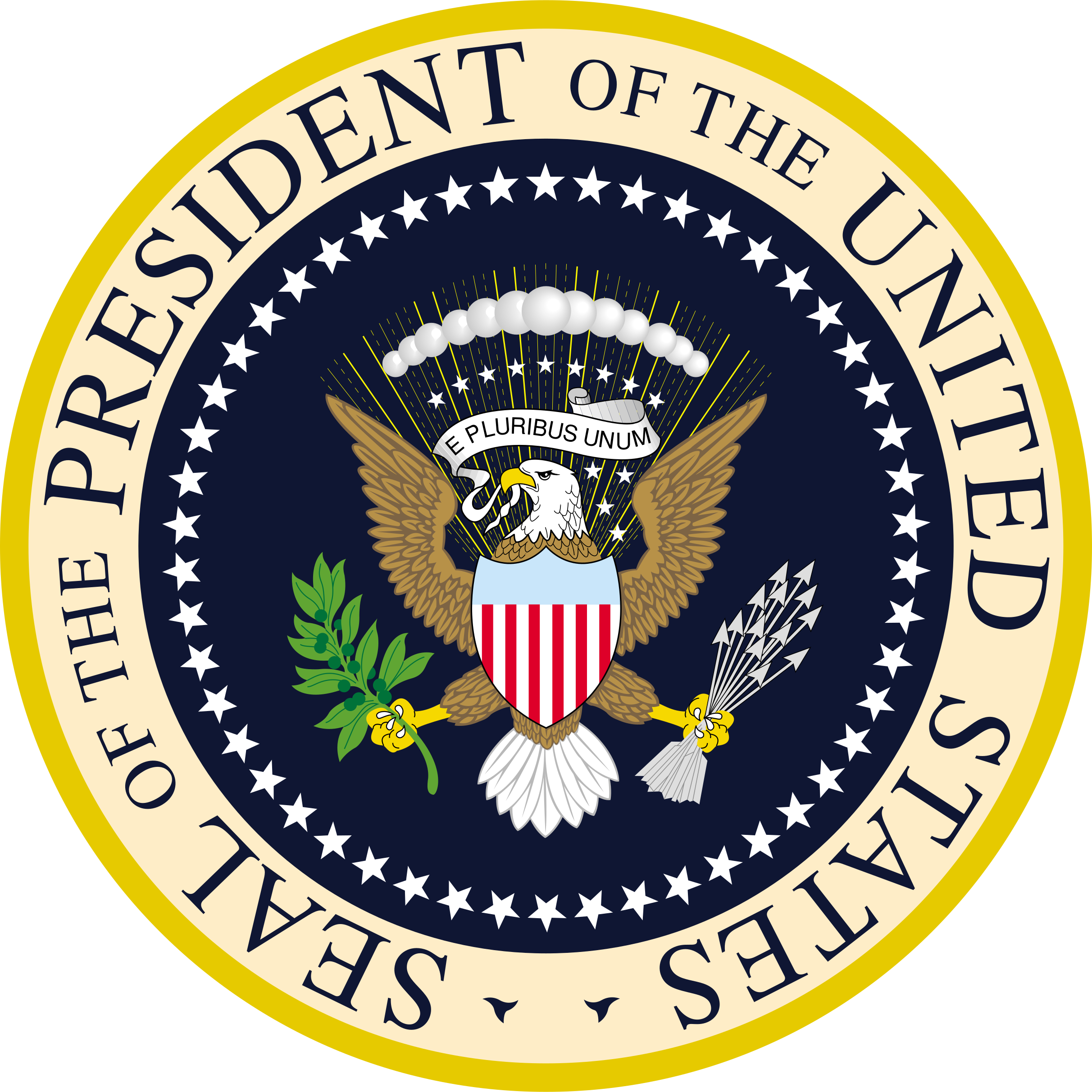
Seal of the President of the United States

The Constitution established the Executive Branch and the Office of the President. George Washington took the first Presidential Oath of Office on April 30, 1789, and became the inaugural holder. The office has since become a symbol of global power, the center of the federal Executive Branch, and a defining institution in American civic history.

“The Official eBible of the U.S. President Since 2000”

Presidential Edition: Living Word Bibles has prepared & sent a personalized eBible to each U.S. President in office since the year 2000, beginning with President Bill Clinton.

Did You Know? — How to address a President
U.S. Department of State protocol guidance distinguishes a written courtesy title from a salutation. Correspondence to the sitting President is addressed to The President, The White House, Washington, D.C. 20500, with the salutation Dear Mr. President or Dear Madam President. The Honorable is a written courtesy title used for elected and certain senior appointed officials and is customarily retained after leaving office. 4

A History of the American Presidency

The presidency is the only nationally elected office vested with the executive power of the United States. Article II of the Constitution creates the office, establishes a four-year term, prescribes the oath, names the President commander in chief, grants powers involving pardons, appointments and treaties, and directs the President to take care that federal law is faithfully executed. The office is powerful, but it operates inside a constitutional system in which Congress legislates and appropriates, the courts interpret law, elections determine tenure, and impeachment provides a process for addressing alleged misconduct.1

Creating the office: Constitution and Washington

The framers designed the presidency after experience under the Articles of Confederation persuaded many national leaders that the new federal government needed an executive capable of administering law, conducting diplomacy and responding to emergencies. At the same time, the Constitution deliberately limited the office through fixed terms, shared appointment and treaty powers, congressional control of legislation and spending, judicial review, elections and impeachment. George Washington, unanimously chosen by the Electoral College, took the first presidential oath on April 30, 1789, at Federal Hall in New York City. Because the office had no American precedent of comparable scope, Washington’s decisions helped establish customs surrounding the Cabinet, relations with Congress, executive communications, neutrality, succession and the peaceful surrender of power after two terms.2

Parties, popular politics, and the nineteenth century

The Constitution says nothing about political parties, yet organized parties emerged almost immediately around competing visions of federal power, finance and foreign policy. The election of 1800, in which power passed from the Federalists to Thomas Jefferson’s Democratic-Republicans, became an early demonstration that rival political coalitions could transfer control of the government without violence. Over the next several decades, the electorate expanded among white men, conventions and mass campaigning became central to presidential politics, and Andrew Jackson’s presidency helped define a more populist and partisan model of executive leadership.

The central political crisis of the nineteenth century was slavery and the sectional conflict that culminated in the Civil War. Abraham Lincoln’s presidency placed extraordinary wartime demands on the office as he sought to preserve the Union and moved toward emancipation. His assassination in 1865 transferred the presidency to Andrew Johnson and was followed by bitter conflict over Reconstruction. Later presidents governed through industrialization, westward expansion, civil-service reform, labor conflict, immigration and the growth of the United States as a commercial and military power.3

The Progressive Era and the rise of presidential leadership

At the turn of the twentieth century, the presidency became more visible as a source of national policy leadership. Theodore Roosevelt used the office as a platform for regulation, conservation and a more assertive foreign policy, while Woodrow Wilson developed a more direct relationship between the President, Congress and public opinion. World War I further expanded expectations that presidents would lead the nation through large-scale military mobilization and international diplomacy.

The Great Depression and World War II transformed the institution even more dramatically. Franklin D. Roosevelt entered office in 1933 amid economic collapse, used the presidency to champion the New Deal, and communicated directly with the public through radio. He was elected four times and served until his death in 1945. The Twenty-second Amendment, ratified in 1951, later limited a person to two presidential elections, subject to its succession rule.

The Cold War presidency

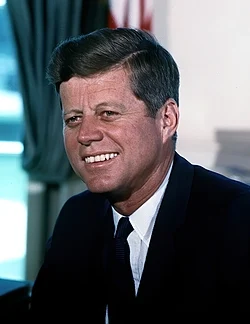
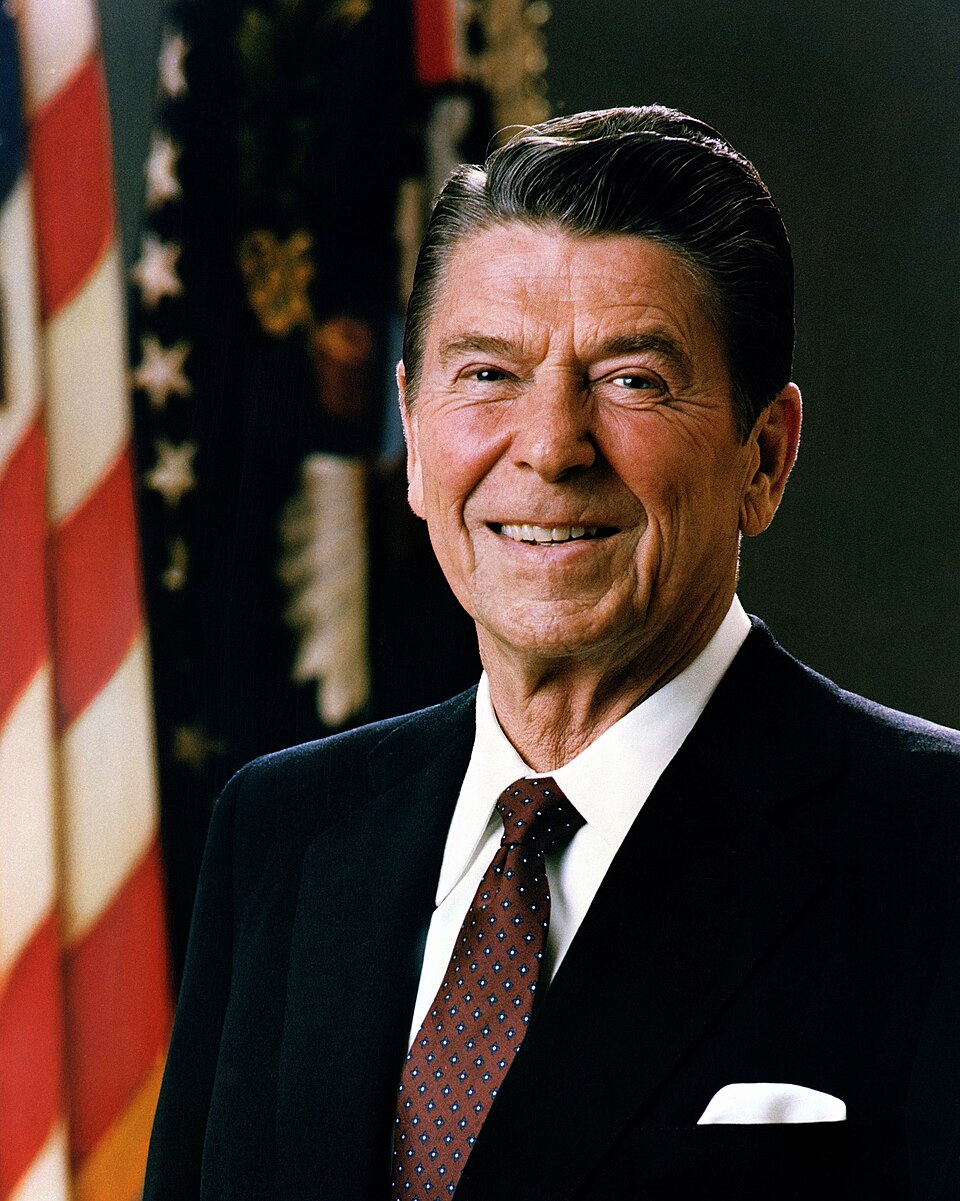
After World War II, the President became the central civilian figure in a permanent national-security system built around nuclear weapons, global alliances, intelligence organizations and an enlarged defense establishment. Harry S. Truman, Dwight D. Eisenhower, John F. Kennedy, Lyndon B. Johnson, Richard Nixon, Gerald Ford, Jimmy Carter and Ronald Reagan governed amid recurring confrontations with the Soviet Union, wars and proxy conflicts, decolonization, civil-rights struggles, economic disruption and major changes in communications technology.

Television reshaped presidential leadership by making the President a daily national presence. Kennedy’s televised press conferences and addresses, Johnson’s appeals for civil-rights legislation, Nixon’s televised diplomacy and Watergate-era defenses, Carter’s public discussions of energy and Reagan’s skill as a televised communicator all reflected a presidency increasingly conducted before a mass audience. The Watergate scandal and Nixon’s resignation in 1974 also produced renewed congressional efforts to limit or oversee executive power.

From the end of the Cold War to September 11

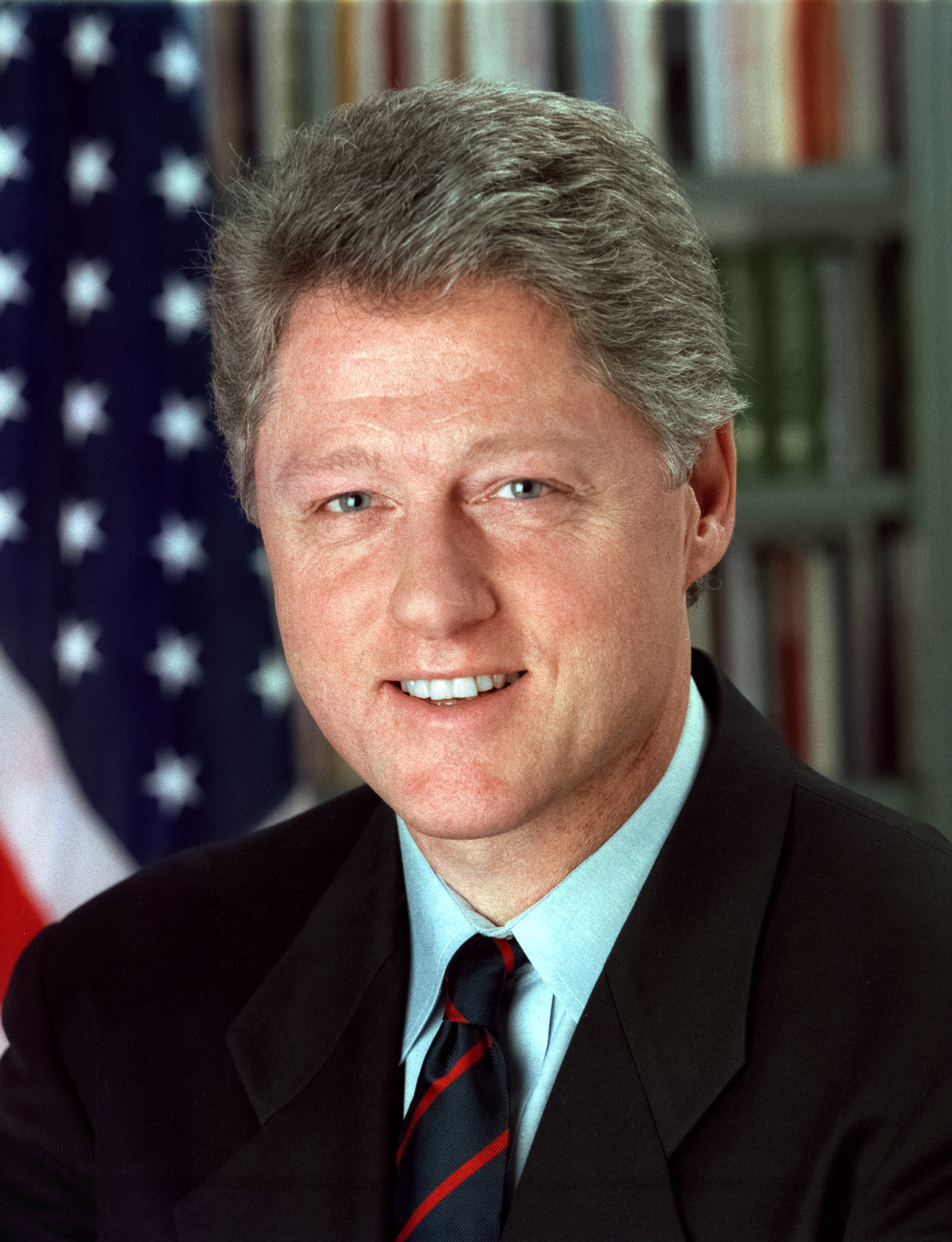
George H. W. Bush entered office as the Cold War was ending and presided over a period that included German reunification, the dissolution of the Soviet Union and the Persian Gulf War. Bill Clinton’s presidency unfolded during rapid globalization, the expansion of the internet economy, domestic policy battles over budgets and welfare, U.S. involvement in the Balkans, and his 1998 impeachment by the House; the Senate acquitted him in 1999. By the beginning of the twenty-first century, the presidency combined constitutional authority with a large administrative state, a global military presence and instantaneous media scrutiny.

The twenty-first-century presidency

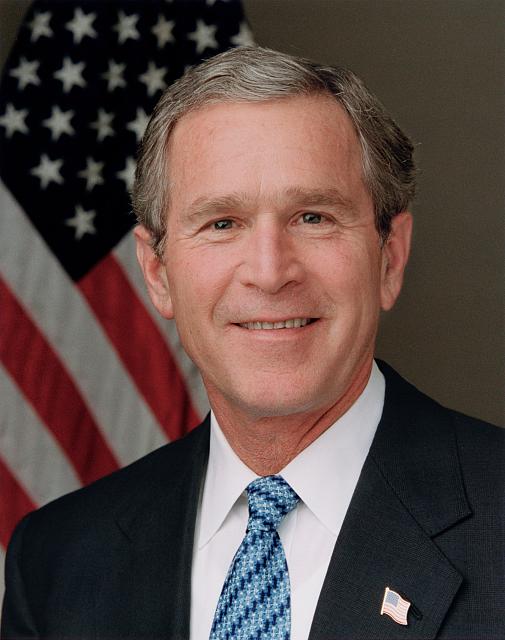
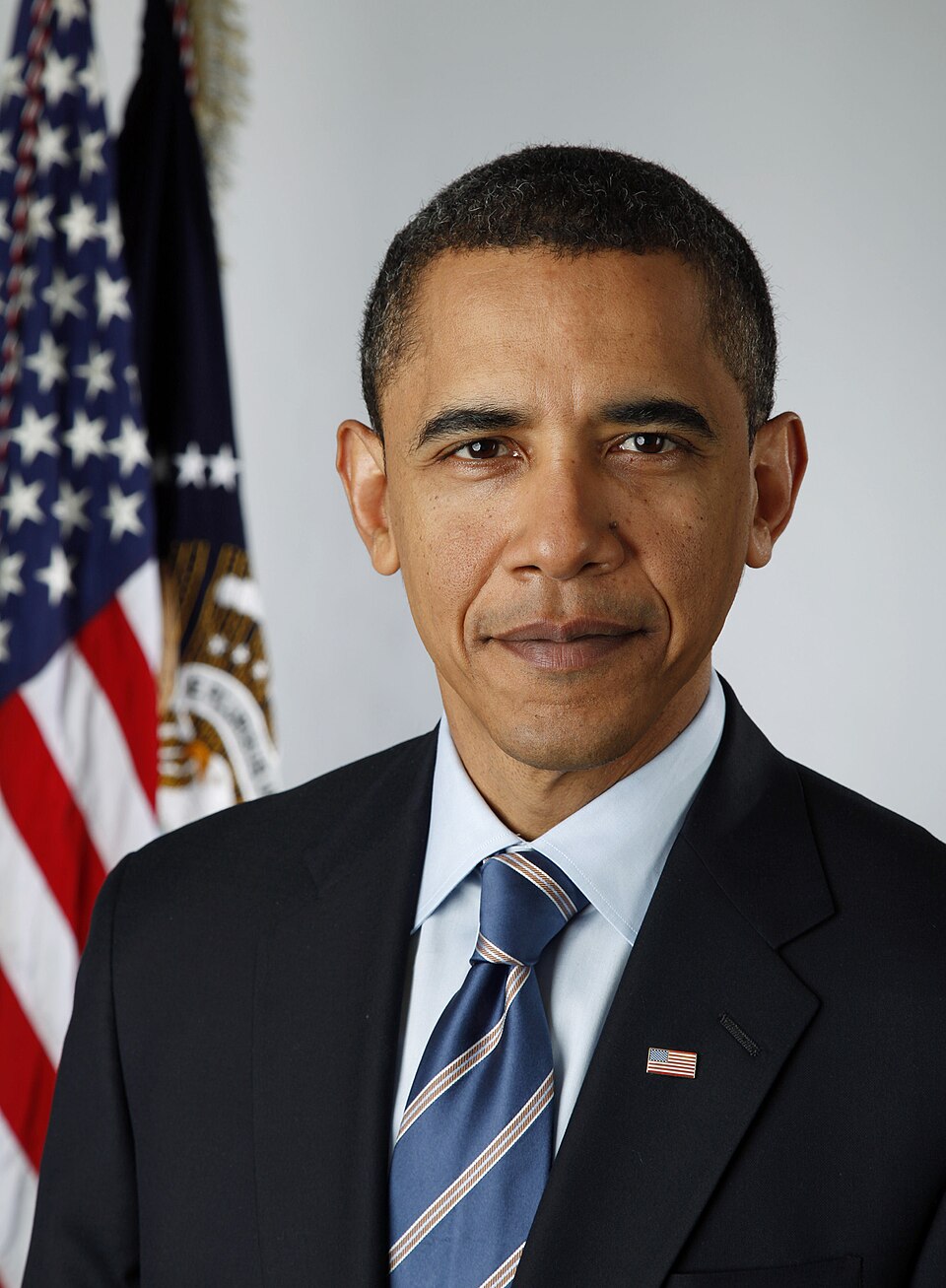
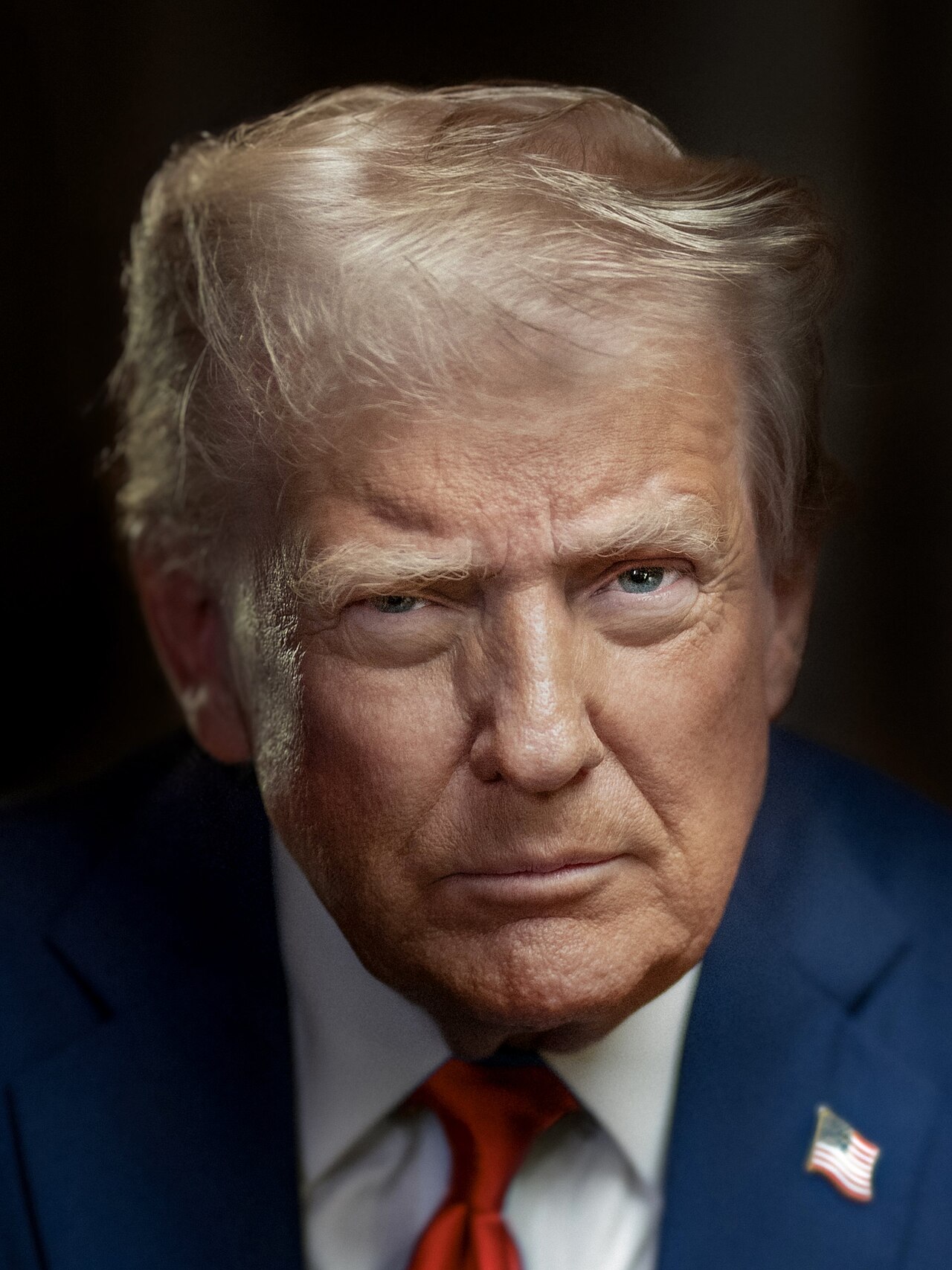
The September 11, 2001 terrorist attacks became the defining early event of George W. Bush’s presidency, leading to the war in Afghanistan, the 2003 invasion of Iraq, major changes in homeland security and expanded debates about presidential authority in national security. Barack Obama took office amid the Great Recession, oversaw major economic interventions and health-care reform, and governed as social media became central to political communication. Donald Trump’s first presidency brought a highly personalized communications style, significant changes in immigration, trade and regulatory policy, three Supreme Court appointments, two impeachments and the COVID-19 pandemic. Joe Biden’s presidency followed from 2021 to 2025. Trump then returned to office in January 2025 after winning the 2024 election.

Forty-five individuals have served across forty-seven numbered presidencies. Grover Cleveland is counted as the 22nd and 24th president because his terms were nonconsecutive. Donald Trump, who served as the 45th president from 2017 to 2021 and returned as the 47th in 2025, is the second president in U.S. history to serve nonconsecutive terms.3

Powers, limits, elections, and succession

Modern presidents exercise authority through constitutional powers, statutes enacted by Congress, appointments, executive orders, administrative direction, diplomacy, military command and the veto. Yet no President governs alone. Congress controls appropriations and can override vetoes, the Senate participates in appointments and treaties, federal courts may review executive action, states administer elections under federal constitutional and statutory rules, and the public can replace an administration through elections. The Vice President succeeds to the presidency when the office becomes vacant, and the Twenty-fifth Amendment provides additional procedures involving presidential inability and vice-presidential vacancies.1

The presidency in constitutional perspective. The office has changed enormously since 1789, but its central tension remains recognizable: Americans expect the President to act decisively while also remaining constrained by law, elections, institutions, and the constitutional separation of powers.
All Presidents of the United States

The complete succession of the presidency from George Washington to the present. Living Word Bibles portraits are used where available; other portrait references are drawn from the cited public historical sources.

Presidential succession and portrait references: List of presidents of the United States.3

Historic Presidential Documents

Selected source documents represented in the Presidential Edition collection are available for viewing or download.

Chicago-Style Notes

  1. Wikipedia contributors, “President of the United States,” Wikipedia, The Free Encyclopedia, accessed September 13, 2026, https://en.wikipedia.org/wiki/President_of_the_United_States; U.S. Congress, “Article II,” Constitution Annotated, accessed September 13, 2026, https://constitution.congress.gov/constitution/article-2/.
  2. Wikipedia contributors, “Presidency of George Washington,” Wikipedia, The Free Encyclopedia, accessed September 13, 2026, https://en.wikipedia.org/wiki/Presidency_of_George_Washington.
  3. Wikipedia contributors, “List of Presidents of the United States,” Wikipedia, The Free Encyclopedia, accessed September 13, 2026, https://en.wikipedia.org/wiki/List_of_presidents_of_the_United_States.
  4. U.S. Department of State, Office of the Chief of Protocol, “Protocol Reference,” archived 2021–2025 site, accessed September 13, 2026, https://2021-2025.state.gov/protocol-reference/.
  5. William J. Clinton Presidential Library and Museum, “Clinton Biographies,” accessed September 13, 2026, https://www.clintonlibrary.gov/research/clinton-biographies; Wikipedia contributors, “Bill Clinton,” Wikipedia, accessed September 13, 2026, https://en.wikipedia.org/wiki/Bill_Clinton.
  6. George W. Bush White House Archives, “Biography of President George W. Bush,” accessed September 13, 2026, https://georgewbush-whitehouse.archives.gov/president/text/biography.html; Wikipedia contributors, “George W. Bush,” Wikipedia, accessed September 13, 2026, https://en.wikipedia.org/wiki/George_W._Bush.
  7. Obama White House Archives, “President Barack Obama,” accessed September 13, 2026, https://obamawhitehouse.archives.gov/administration/president-obama; Wikipedia contributors, “Barack Obama,” Wikipedia, accessed September 13, 2026, https://en.wikipedia.org/wiki/Barack_Obama.
  8. Wikipedia contributors, “Donald Trump,” Wikipedia, The Free Encyclopedia, accessed September 13, 2026, https://en.wikipedia.org/wiki/Donald_Trump; The White House, “President Donald J. Trump,” accessed September 13, 2026, https://www.whitehouse.gov/administration/donald-j-trump/.
  9. U.S. House of Representatives, History, Art & Archives, “List of Individuals Impeached by the House of Representatives,” accessed September 13, 2026, https://history.house.gov/Institution/Impeachment/Impeachment-List/.
  10. Reuters, “Guilty on All Counts, Donald Trump Becomes First US President Convicted of a Crime,” May 30, 2024, https://www.reuters.com/legal/jurors-begin-second-day-deliberations-trump-hush-money-trial-2024-05-30/; Reuters, “Trump Loses Bid to Move Already-Decided Criminal Hush Money Case to US Court,” August 28, 2026, https://www.reuters.com/world/trump-loses-bid-move-already-decided-criminal-hush-money-case-us-court-2026-08-28/.
  11. HISTORY.com Editors, “Donald Trump Is Elected to Nonconsecutive Terms,” HISTORY, updated November 3, 2025, https://www.history.com/this-day-in-history/november-5/trump-wins-second-term.
  12. Wikipedia contributors, “John F. Kennedy,” Wikipedia, The Free Encyclopedia, accessed September 13, 2026, https://en.wikipedia.org/wiki/John_F._Kennedy; John F. Kennedy Presidential Library and Museum, “The Making of a President,” accessed September 13, 2026, https://www.jfklibrary.org/visit-museum/exhibits/past-exhibits/the-making-of-a-president.
  13. Wikipedia contributors, “Ronald Reagan,” Wikipedia, The Free Encyclopedia, accessed September 13, 2026, https://en.wikipedia.org/wiki/Ronald_Reagan; Ronald Reagan Presidential Library and Museum, “Reagan’s Pre-Presidential Biographical Sketch & Timeline, 1911–1980,” accessed September 13, 2026, https://www.reaganlibrary.gov/reagans/ronald-reagan/reagans-pre-presidential-biographical-sketch-timeline-1911-1980.
  14. U.S. Senate Historical Office, “Senators Who Became President,” accessed September 13, 2026, https://www.senate.gov/senators/SenatorsWhoBecamePresident.htm; The White House, “The Official Biography of President Joe Biden,” archived January 2025, archived White House biography.
  15. Wikipedia contributors, “George Washington,” Wikipedia, The Free Encyclopedia, accessed September 13, 2026, https://en.wikipedia.org/wiki/George_Washington; George Washington’s Mount Vernon, “George Washington’s Life,” accessed September 13, 2026, https://www.mountvernon.org/george-washington/biography. Featured portrait is the lead portrait used on the cited Wikipedia biography and hosted by Wikimedia Commons.
  16. Wikipedia contributors, “Abraham Lincoln,” Wikipedia, The Free Encyclopedia, accessed September 13, 2026, https://en.wikipedia.org/wiki/Abraham_Lincoln; Abraham Lincoln Presidential Library and Museum, “The Emancipation Proclamation” and “Gettysburg,” accessed September 13, 2026, Emancipation Proclamation and Gettysburg. Featured portrait is the lead photograph used on the cited Wikipedia biography and hosted by Wikimedia Commons.

Annotated Bibliography

U.S. Congress. “Article II.” Constitution Annotated. Accessed September 13, 2026. https://constitution.congress.gov/constitution/article-2/.

Primary constitutional reference for the structure, powers, oath, duties, and impeachment framework of the presidency.

U.S. Department of State, Office of the Chief of Protocol. “Protocol Reference.” Archived 2021–2025 site. Accessed September 13, 2026. https://2021-2025.state.gov/protocol-reference/.

Official protocol guidance used for the page’s “Did You Know?” explanation of how the sitting President and former elected officials are addressed in formal correspondence.

Wikipedia contributors. “President of the United States.” Wikipedia, The Free Encyclopedia. Accessed September 13, 2026. https://en.wikipedia.org/wiki/President_of_the_United_States.

Broad overview used to organize the constitutional, political, administrative, diplomatic, and historical development of the office. Factual details are cross-checked against primary and presidential-library sources where practical.

Wikipedia contributors. “List of Presidents of the United States.” Wikipedia, The Free Encyclopedia. Accessed September 13, 2026. https://en.wikipedia.org/wiki/List_of_presidents_of_the_United_States.

Reference for presidential numbering, term order, party labels, and the distinction between forty-five individual officeholders and forty-seven numbered presidencies.

William J. Clinton Presidential Library and Museum. “Clinton Biographies.” Accessed September 13, 2026. https://www.clintonlibrary.gov/research/clinton-biographies.

Presidential-library biographical source for Clinton’s early life, education, Arkansas public service, and path to the presidency; supplemented by the user-requested Wikipedia biography.

George W. Bush White House Archives. “Biography of President George W. Bush.” Accessed September 13, 2026. https://georgewbush-whitehouse.archives.gov/president/text/biography.html.

Archived presidential biography used for Bush’s education, Texas governorship, military service, and presidential chronology; supplemented by the user-requested Wikipedia biography.

Obama White House Archives. “President Barack Obama.” Accessed September 13, 2026. https://obamawhitehouse.archives.gov/administration/president-obama.

Archived White House biography used for Obama’s upbringing, education, legal career, Illinois public service, and election as the forty-fourth President; supplemented by the user-requested Wikipedia biography.

Wikipedia contributors. “Donald Trump.” Wikipedia, The Free Encyclopedia. Accessed September 13, 2026. https://en.wikipedia.org/wiki/Donald_Trump.

General biographical and presidential chronology source for Trump. The page’s statements about impeachment and felony conviction are separately supported by congressional and Reuters sources rather than relying on a single secondary source.

U.S. House of Representatives, History, Art & Archives. “List of Individuals Impeached by the House of Representatives.” Accessed September 13, 2026. https://history.house.gov/Institution/Impeachment/Impeachment-List/.

Official congressional history confirming Donald Trump’s two impeachments, in 2019 and 2021, and the subsequent Senate acquittals.

Reuters. “Guilty on All Counts, Donald Trump Becomes First US President Convicted of a Crime.” May 30, 2024. https://www.reuters.com/legal/jurors-begin-second-day-deliberations-trump-hush-money-trial-2024-05-30/.

Contemporary reporting documenting the May 2024 New York felony verdict. A separate 2026 Reuters report is used to keep the page’s description of the conviction’s continuing legal status current.

Wikipedia contributors. “George Washington.” Wikipedia, The Free Encyclopedia. Accessed September 13, 2026. https://en.wikipedia.org/wiki/George_Washington.

Biographical and portrait reference for Washington; presidential chronology and institutional context are checked against George Washington’s Mount Vernon.

George Washington’s Mount Vernon. “George Washington’s Life.” Accessed September 13, 2026. https://www.mountvernon.org/george-washington/biography.

Reference for Washington’s Revolutionary leadership, Constitutional Convention role, unanimous election, two presidential terms, and precedents established by the first administration.

Wikipedia contributors. “Abraham Lincoln.” Wikipedia, The Free Encyclopedia. Accessed September 13, 2026. https://en.wikipedia.org/wiki/Abraham_Lincoln.

Biographical and portrait reference for Lincoln; Civil War, emancipation, and Gettysburg context are supplemented by the Abraham Lincoln Presidential Library and Museum.

Abraham Lincoln Presidential Library and Museum. “The Emancipation Proclamation” and “Gettysburg.” Accessed September 13, 2026. Emancipation Proclamation; Gettysburg.

Institutional historical references for Lincoln’s emancipation policy and the Gettysburg Address.

Wikipedia contributors. “John F. Kennedy.” Wikipedia, The Free Encyclopedia. Accessed September 13, 2026. https://en.wikipedia.org/wiki/John_F._Kennedy.

User-requested biographical source for Kennedy’s military service, congressional career, election, Cold War presidency, space program, civil-rights context, and assassination; checked against John F. Kennedy Presidential Library material.

Wikipedia contributors. “Ronald Reagan.” Wikipedia, The Free Encyclopedia. Accessed September 13, 2026. https://en.wikipedia.org/wiki/Ronald_Reagan.

User-requested biographical source for Reagan’s broadcasting and acting career, union leadership, California governorship, presidency, economic program, Cold War diplomacy, and Iran–Contra context; checked against Ronald Reagan Presidential Library material.

The White House. “The Official Biography of President Joe Biden.” Archived January 2025. Archived White House biography.

Archived presidential biography used with U.S. Senate historical records for Biden’s Senate service, vice presidency, and path to the presidency.

Additional Biographical References Requested for This Page

Wikipedia contributors. “Bill Clinton.” Wikipedia, The Free Encyclopedia. Accessed September 13, 2026. https://en.wikipedia.org/wiki/Bill_Clinton.

Secondary biographical reference used alongside the Clinton Presidential Library.

Wikipedia contributors. “George W. Bush.” Wikipedia, The Free Encyclopedia. Accessed September 13, 2026. https://en.wikipedia.org/wiki/George_W._Bush.

Secondary biographical reference used alongside the archived George W. Bush White House biography.

Wikipedia contributors. “Barack Obama.” Wikipedia, The Free Encyclopedia. Accessed September 13, 2026. https://en.wikipedia.org/wiki/Barack_Obama.

Secondary biographical reference used alongside the archived Obama White House biography.

Embedded Multimedia

DISCLAIMER: This SHALL NOT be construed as an official endorsement by The White House, any current or former President, or the U.S. Government. Eighty-percent (80%) of all proceeds from the sale of these Presidential Editions is donated to the applicable Presidents' Presidential Library, or a charity of their choosing.

God Bless the United States of America.